
A Comprehensive Guide to Sustainable Construction Solutions in Australia


Understanding Sustainable Construction
Sustainable construction is a growing trend in Australia, driven by the need to reduce environmental impact while creating efficient and healthy buildings. This approach integrates eco-friendly practices throughout the construction process, from planning and design to material selection and waste management.
Key Principles of Sustainable Construction
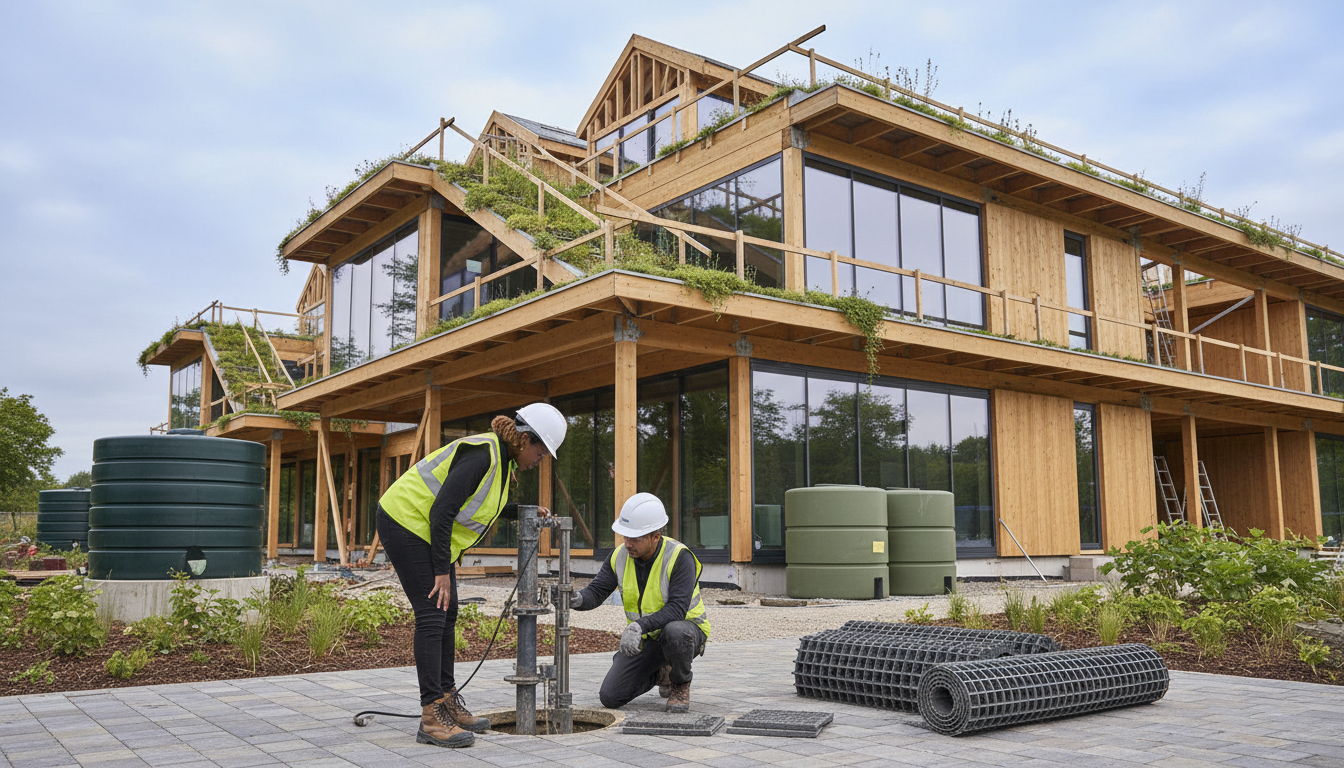
There are several key principles that guide sustainable construction. First, it's essential to minimize energy consumption by using energy-efficient designs and materials. Second, water conservation techniques, such as rainwater harvesting and greywater systems, play a significant role. Third, the use of sustainable materials, like recycled or locally sourced products, is crucial.
Innovative Materials and Technologies
Australia's construction industry is rapidly adopting innovative materials and technologies. Cross-laminated timber (CLT) and prefabricated building components are gaining popularity for their efficiency and reduced waste. Additionally, smart home technologies that enhance energy efficiency are becoming standard in new developments.
Benefits of Sustainable Construction
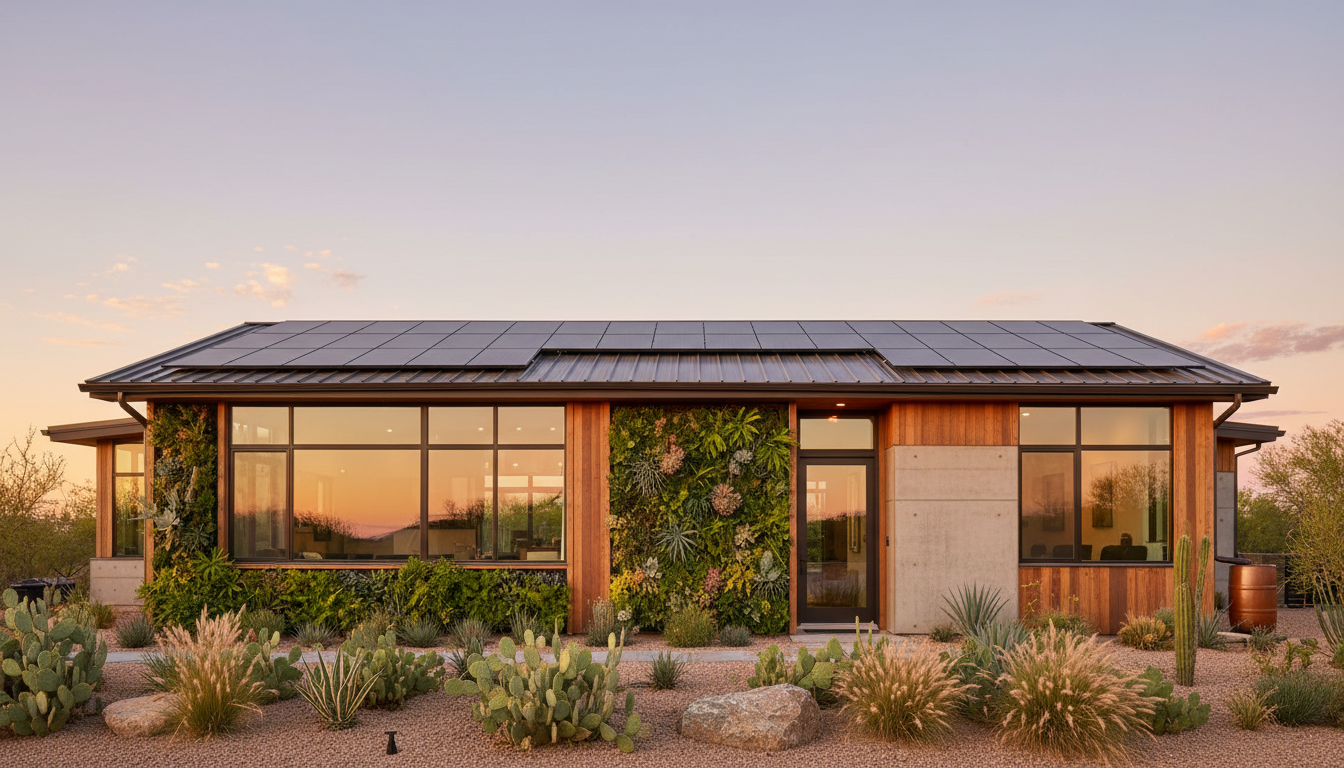
The benefits of sustainable construction are vast. Environmentally, it reduces carbon footprints and conserves natural resources. Economically, it often results in lower operating costs due to decreased energy and water usage. Socially, sustainable buildings tend to provide healthier living and working environments, improving occupant well-being.
Government Initiatives and Regulations
The Australian government supports sustainable construction through various initiatives and regulations. Programs like the National Construction Code and the Green Building Council of Australia provide guidelines and certifications to encourage eco-friendly building practices. These frameworks help ensure that new constructions adhere to high sustainability standards.
Challenges and Opportunities
While sustainable construction offers numerous advantages, it also faces challenges such as higher initial costs and limited awareness among developers. However, these challenges present opportunities for innovation and education, paving the way for more widespread adoption of sustainable practices.
Future of Sustainable Construction in Australia
The future of sustainable construction in Australia looks promising. With increasing awareness and technological advancements, the industry is poised for growth. As more stakeholders recognize the long-term benefits, sustainable construction is expected to become the norm rather than the exception.
Steps to Implement Sustainable Practices
To embrace sustainable construction, developers can follow several steps:
- Incorporate sustainable design principles from the outset.
- Select eco-friendly materials and technologies.
- Engage with stakeholders to understand and meet sustainability goals.
- Continuously evaluate and improve sustainability practices.
By following these steps, the construction industry in Australia can significantly contribute to a more sustainable future.