
Case Study: Successful Eco-Friendly Commercial Projects in Victoria


Introduction to Eco-Friendly Projects in Victoria
Victoria has been at the forefront of sustainable development, showcasing a commitment to eco-friendly commercial projects. This blog post delves into some of the most successful initiatives in the region, highlighting their innovative approaches and the benefits they bring to the community.
Sustainable Architecture: Leading the Way
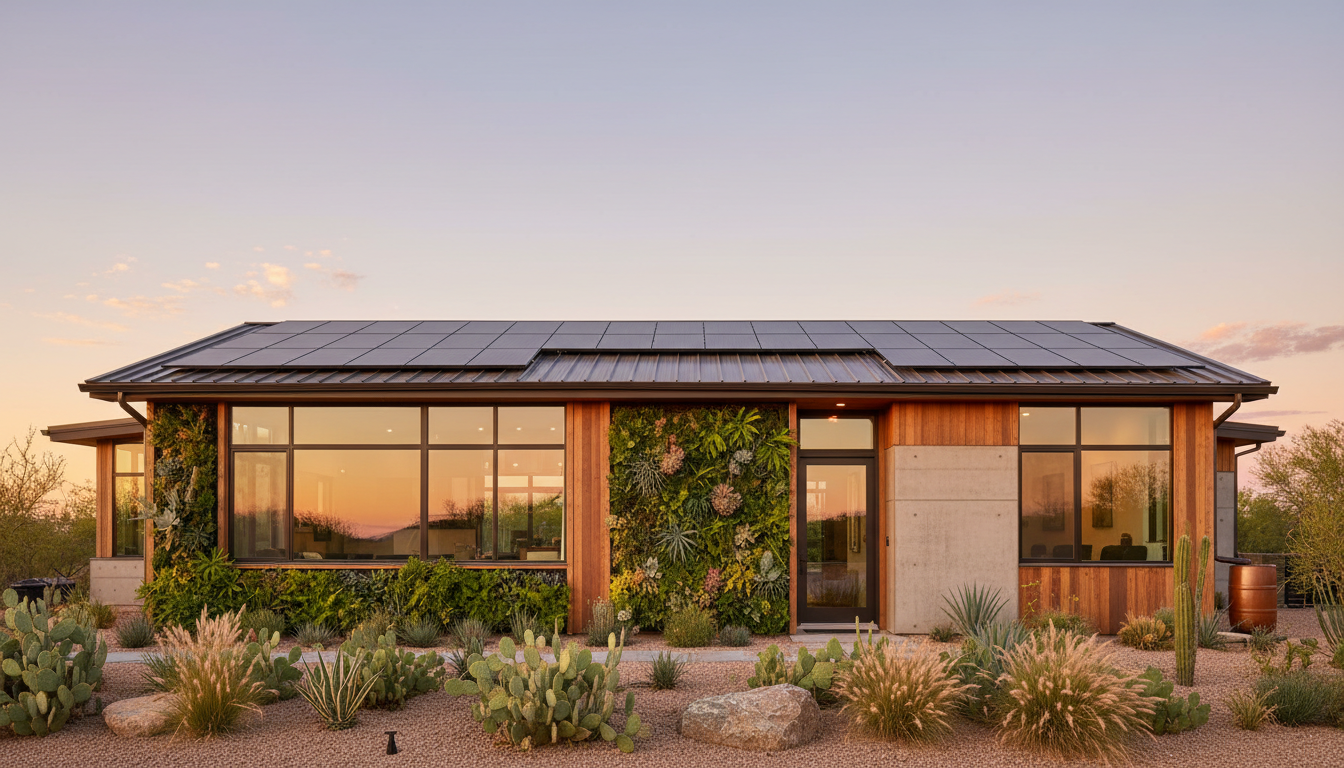
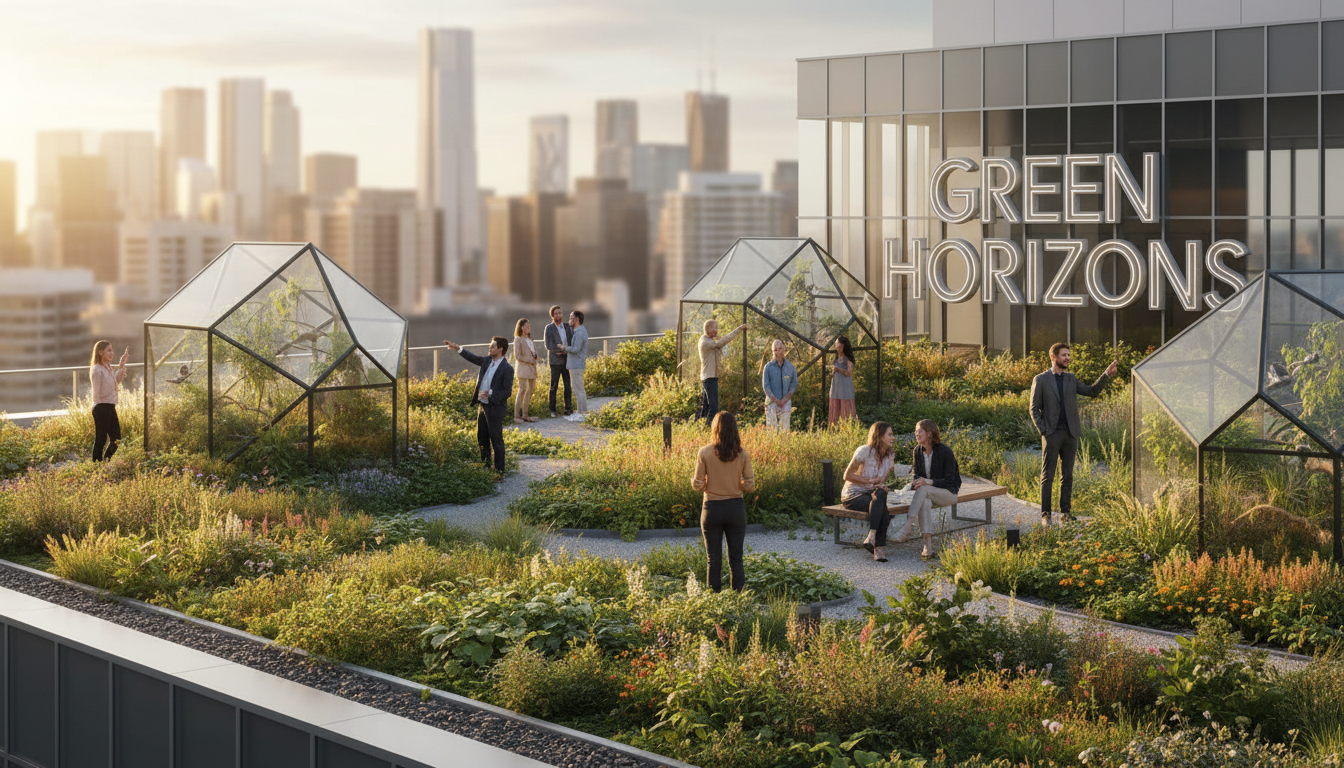
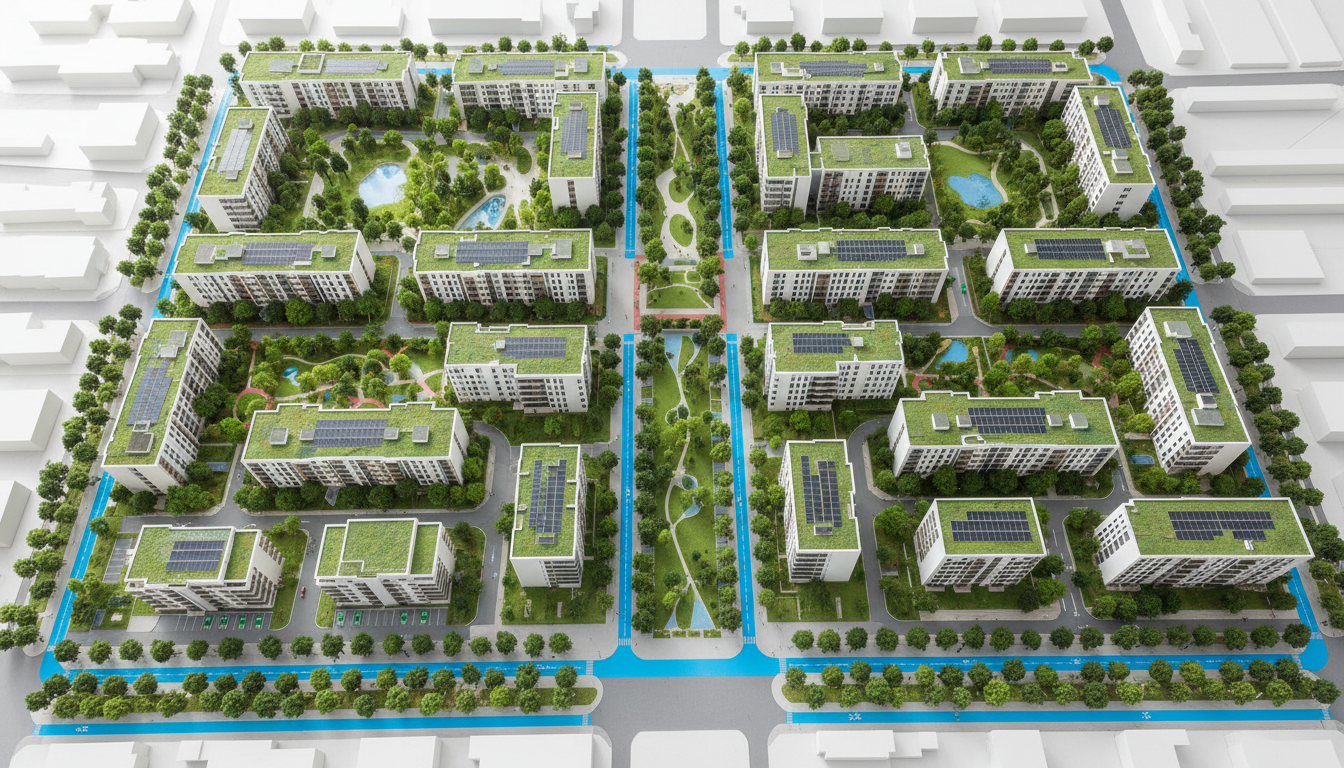
One of the standout projects is the Green Tower in Melbourne, a hallmark of sustainable architecture. The building incorporates renewable energy sources, rainwater harvesting systems, and green roofs. These features not only reduce the environmental impact but also enhance the building's energy efficiency.
The Green Tower has set a benchmark for future developments, inspiring architects and developers to prioritize sustainability in their designs.
Community Engagement and Benefits
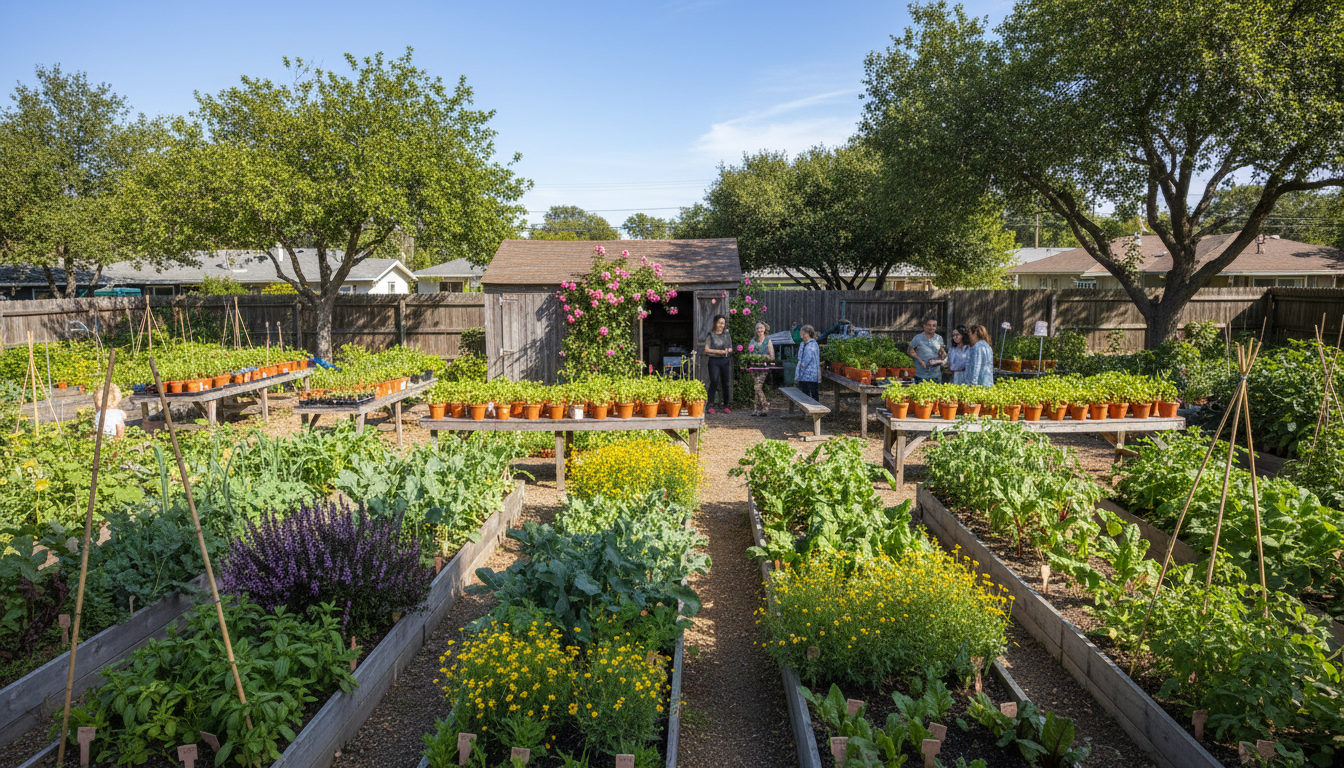
Eco-friendly projects in Victoria are not just about reducing carbon footprints; they also focus on community engagement. The developers of the Green Market in Geelong, for example, worked closely with local residents to integrate community gardens and shared spaces.
This approach has fostered a sense of ownership and pride among residents, illustrating the social benefits of eco-friendly developments. As a result, the community has experienced improved well-being and increased collaboration.
Innovative Technologies in Use
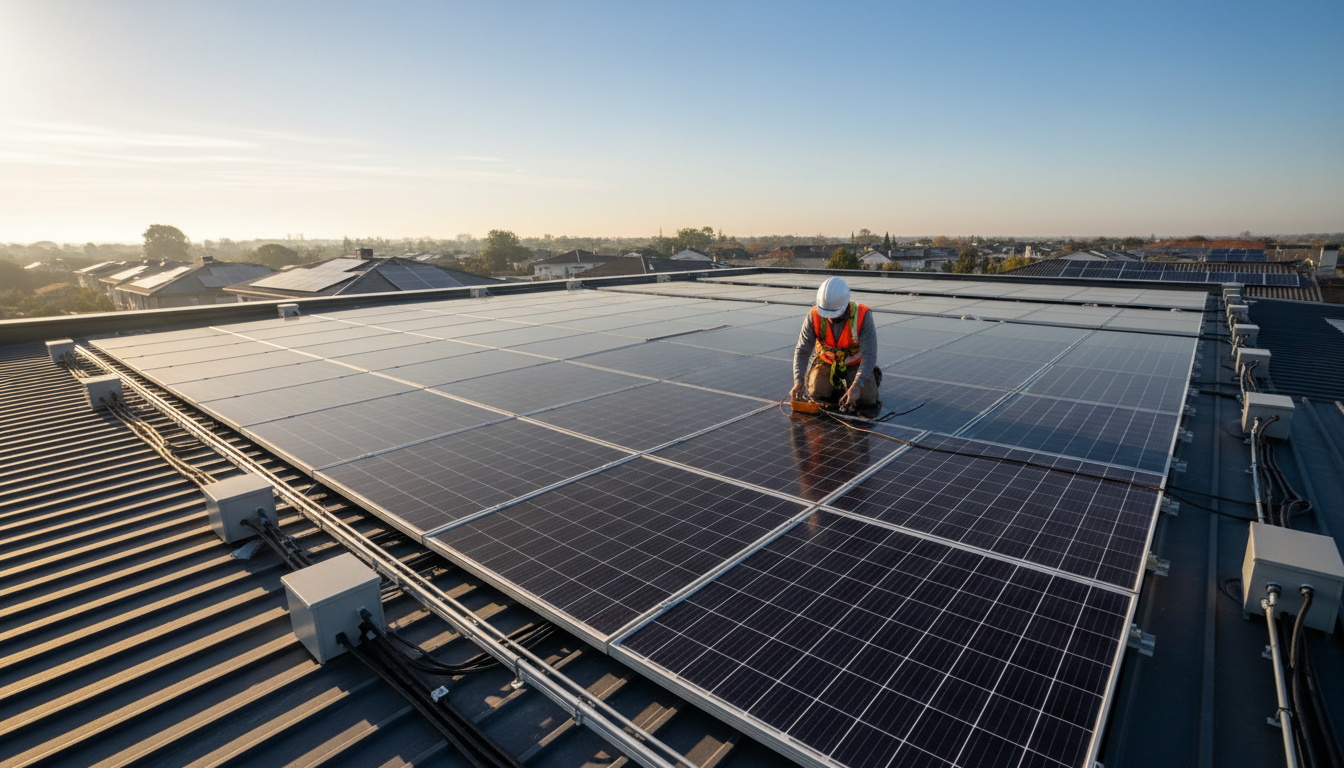
Another key element of successful eco-friendly projects is the use of cutting-edge technologies. The Solar Plaza in Ballarat has implemented an advanced solar panel system that powers not just the plaza itself but also contributes surplus energy to the local grid.
This project demonstrates how renewable energy technologies can be effectively integrated into commercial spaces, offering both environmental and economic advantages.
Challenges and Overcoming Barriers
While these projects have been successful, they have not been without challenges. Initial costs and regulatory hurdles are common barriers. However, developers have overcome these by securing government grants and incentives aimed at promoting sustainable development.
Collaboration with local councils and stakeholders has also played a crucial role in navigating these challenges, ensuring projects remain feasible and impactful.
The Future of Eco-Friendly Developments
The success of these projects has paved the way for more eco-friendly commercial developments across Victoria. The region is now a model for sustainable urban planning, influencing policies and practices worldwide.
As more businesses recognize the benefits of sustainability, the trend towards eco-friendly development is expected to accelerate, contributing significantly to environmental conservation and economic growth.
Conclusion
Victoria's commitment to eco-friendly commercial projects serves as an inspiring example of what can be achieved when innovation meets sustainability. Through strategic planning, community involvement, and technological advancement, these projects not only reduce environmental impact but also enhance quality of life.
As we look ahead, the lessons learned from these initiatives will undoubtedly shape the future of sustainable development, making Victoria a beacon of eco-friendly progress.