Eco-Friendly Building Materials: A Growing Trend in Australia


Understanding Eco-Friendly Building Materials
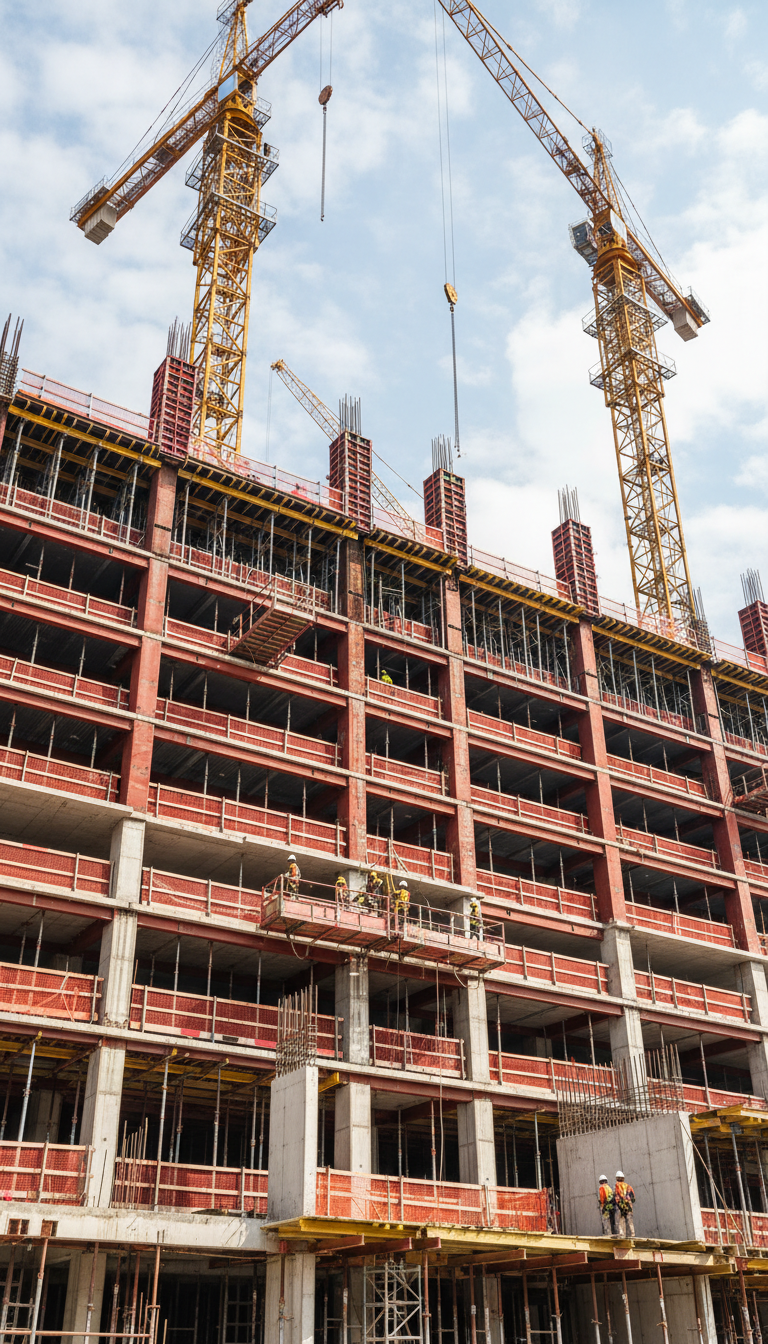
Eco-friendly building materials are gaining popularity in Australia as the construction industry seeks to reduce its environmental impact. These materials are designed to be sustainable, often utilizing recycled or renewable resources. By choosing eco-friendly options, builders can minimize waste, conserve natural resources, and reduce carbon emissions.
One of the main benefits of using these materials is their ability to improve energy efficiency. Insulation made from recycled materials, for example, can significantly reduce heating and cooling costs, making homes more affordable to maintain.
The Rise of Green Certifications
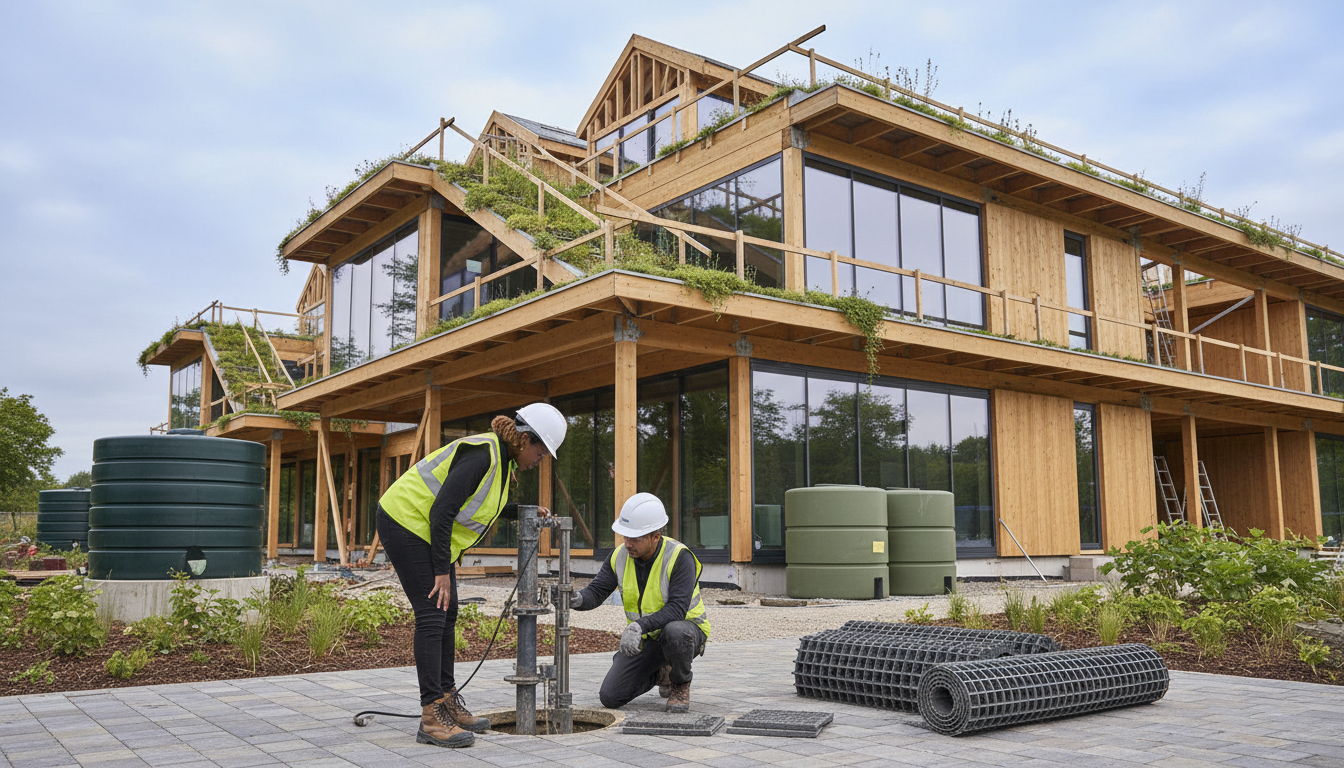
In Australia, the demand for green certifications is on the rise. Certifications such as Green Star and NABERS provide standards for assessing the sustainability of buildings. These certifications encourage the use of eco-friendly materials and practices, ensuring that buildings meet high environmental standards.
Builders and developers are increasingly aiming to achieve these certifications, as they not only enhance the building's value but also appeal to environmentally conscious buyers and tenants.
Innovative Eco-Friendly Materials
Several innovative materials are making waves in the eco-friendly building sector. Bamboo, for instance, is a rapidly renewable resource that offers strength and durability, making it an excellent alternative to traditional timber.
Another exciting innovation is the use of hempcrete, a lightweight concrete made from hemp fibers. Hempcrete is known for its excellent insulation properties and ability to sequester carbon dioxide, further reducing a building's carbon footprint.
Challenges and Opportunities
While the benefits of eco-friendly building materials are clear, there are challenges that the industry must overcome. One major hurdle is the higher upfront cost of some sustainable materials. However, many builders find that these costs are offset by long-term savings in energy and maintenance.
There is also a growing need for education and awareness among builders, architects, and consumers to fully realize the potential of these materials. By investing in training and resources, Australia can lead in sustainable construction.
The Future of Eco-Friendly Construction in Australia
As awareness grows, eco-friendly building materials will continue to shape the future of construction in Australia. Government incentives and support for sustainable practices will likely increase, encouraging more builders to adopt these methods.
Ultimately, the shift towards sustainable building is not just a trend but a necessary evolution. By embracing eco-friendly materials, Australia can ensure a greener, more sustainable future for its construction industry and the planet.