
Expert Tips for Choosing Eco-Friendly Building Materials in Victoria


As sustainability becomes a growing priority in the construction industry, choosing eco-friendly building materials is essential for reducing the environmental impact of your projects. In Victoria, where natural beauty and environmental consciousness are highly valued, selecting the right materials can make a significant difference. Here are some expert tips to guide you in choosing eco-friendly building materials.
Understanding Eco-Friendly Materials
Eco-friendly building materials are those that have a minimal impact on the environment throughout their life cycle. This includes sourcing, production, installation, maintenance, and disposal. These materials often reduce energy consumption and waste, and they can improve the overall sustainability of your building.
Key characteristics of eco-friendly materials include renewability, recyclability, and low toxicity. By choosing materials with these features, you contribute to a healthier planet and living environment.
Sourcing Locally
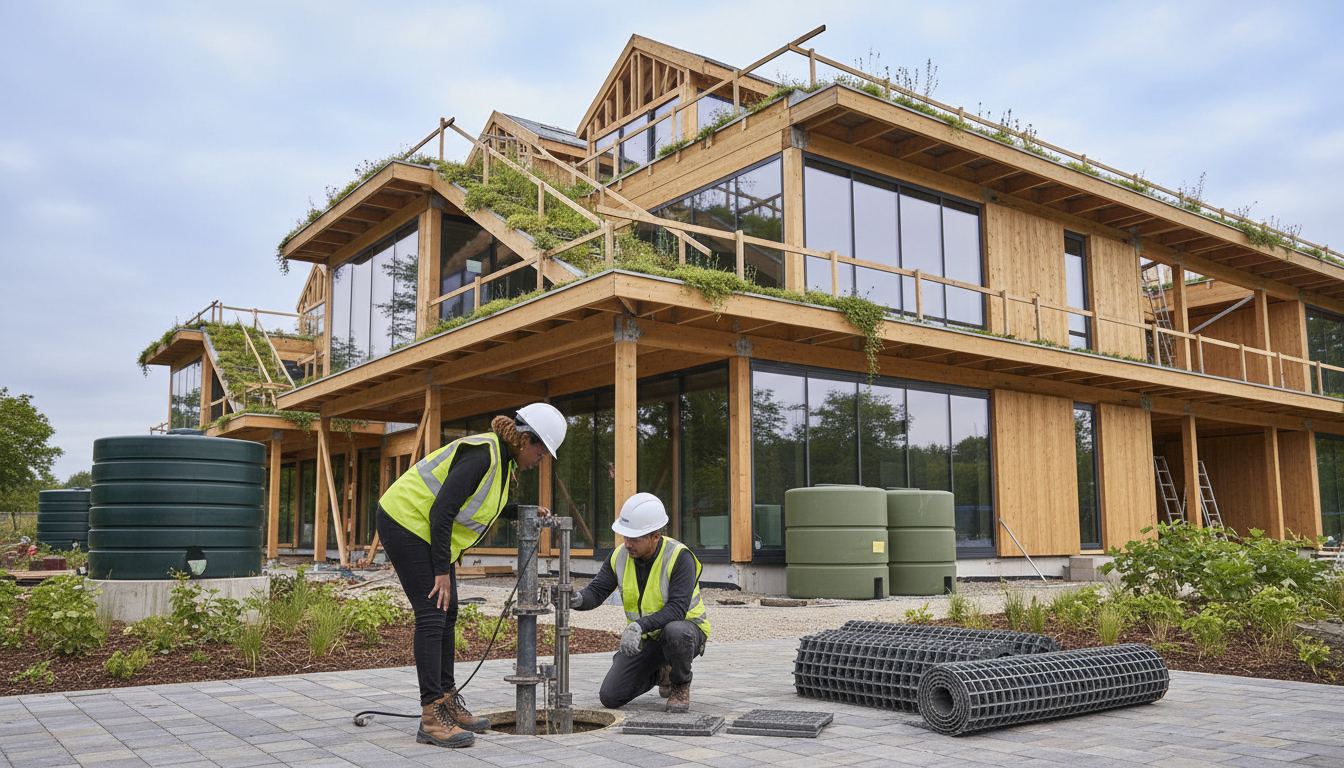
One of the first steps in selecting sustainable materials is to source locally. Local materials reduce the carbon footprint associated with transportation and support the local economy. In Victoria, there are various suppliers offering a range of sustainable options, from timber to stone.
Consider materials that are abundant in the region, such as sustainably harvested timber. Local sourcing not only supports eco-friendliness but also ensures quality and availability.
Evaluating Material Certifications
When assessing building materials, look for certifications that guarantee eco-friendliness. Certifications such as FSC (Forest Stewardship Council) for wood products, Green Seal, and Energy Star can provide assurance that the materials meet environmental standards.
These certifications often evaluate factors like energy efficiency, resource conservation, and pollution reduction. They are a reliable way to verify the sustainability claims of various products.
Considering the Life Cycle
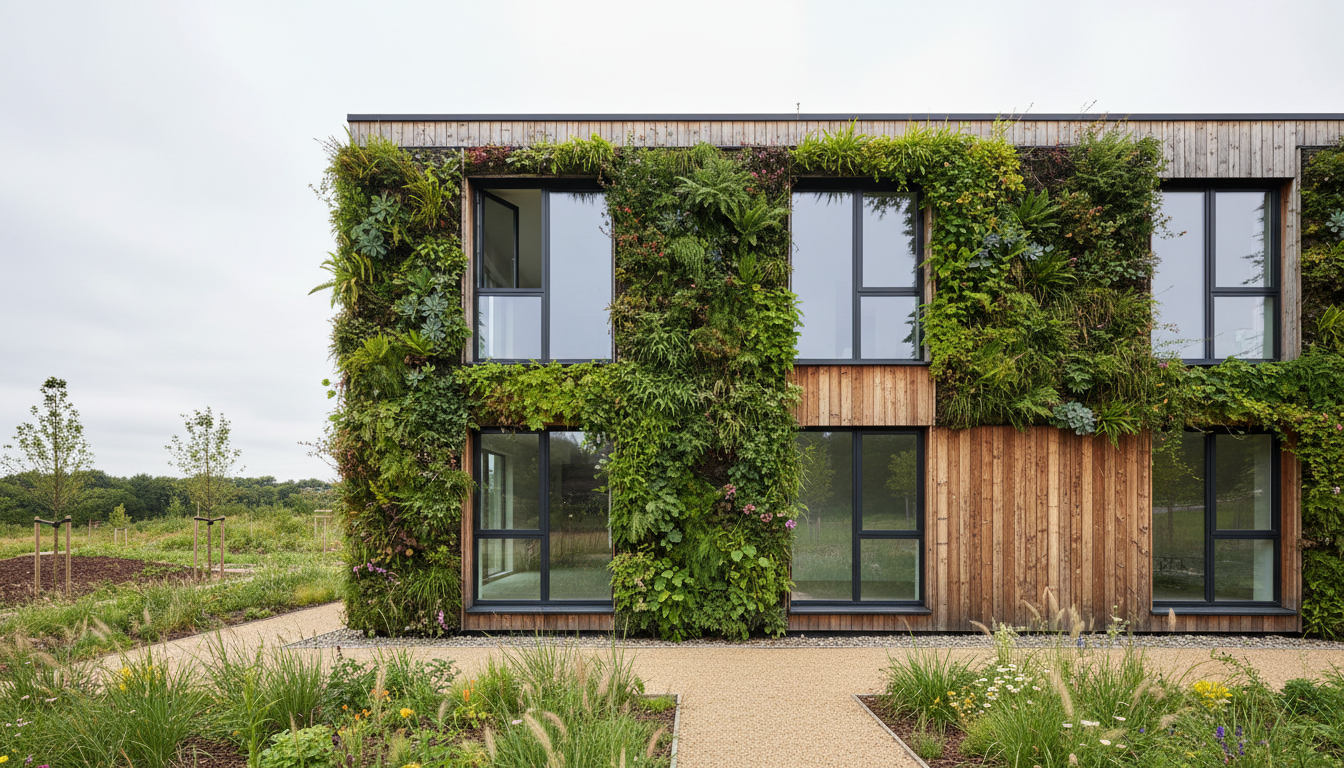
The life cycle of a building material includes its production, use, and disposal. Choosing materials with a long life span can reduce the need for replacements and repairs, minimizing waste and energy use over time.
Materials such as bamboo, recycled steel, and reclaimed wood are excellent choices due to their durability and low environmental impact. These options ensure that your building remains sustainable throughout its life span.
Prioritizing Energy Efficiency
Energy-efficient materials play a crucial role in sustainable construction. Insulation, windows, and roofing materials that reduce energy consumption can significantly lower the building's carbon footprint.
Consider advanced materials like low-emissivity windows and green roofs, which can provide excellent insulation and help regulate indoor temperatures. These choices can lead to energy savings and a more comfortable living environment.
Exploring Innovative Materials
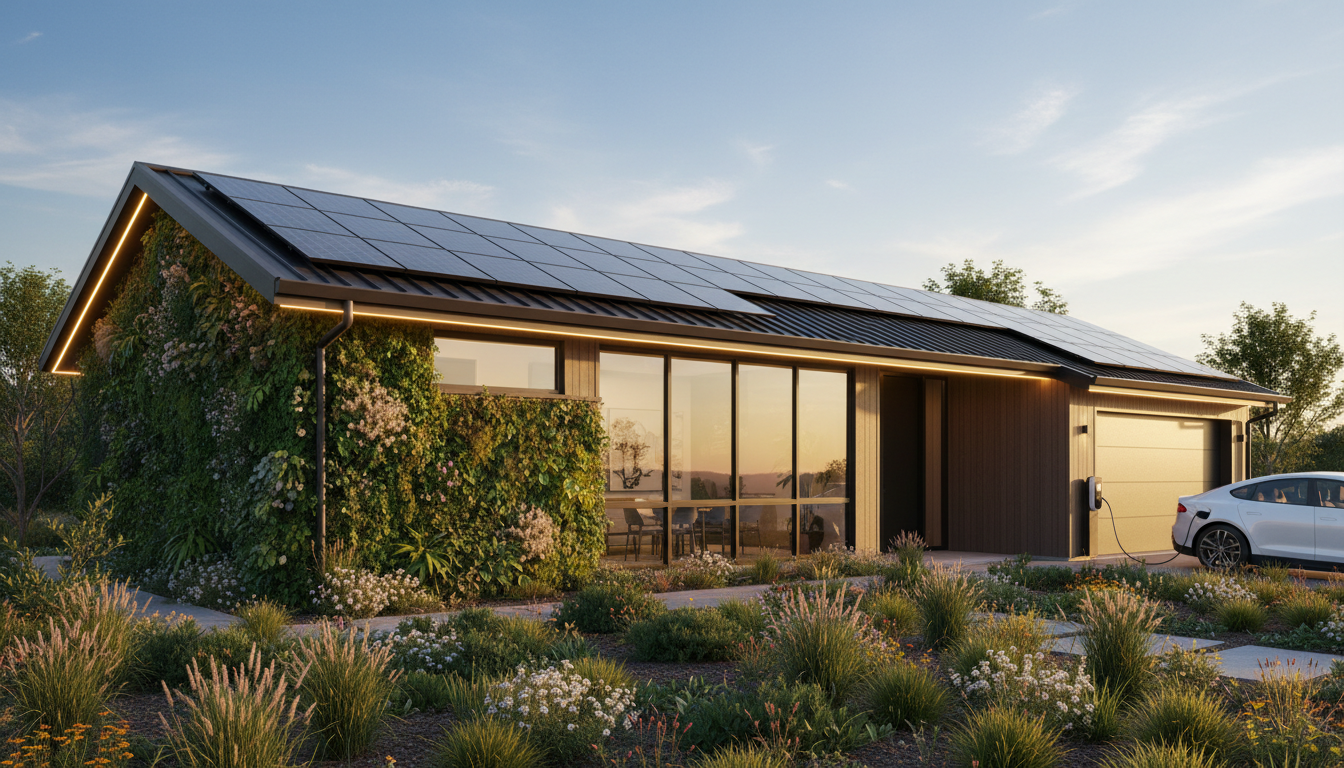
Innovation in the construction industry is continually bringing new eco-friendly materials to the market. Options like hempcrete, a biocomposite made from hemp, lime, and water, offer unique benefits such as excellent insulation and carbon sequestration.
Stay informed about the latest advancements in sustainable materials to ensure that your building projects are at the forefront of eco-friendly design.
By following these expert tips, you can make informed decisions that benefit both the environment and your construction projects. Choosing eco-friendly building materials in Victoria not only enhances the sustainability of your buildings but also contributes to the broader goal of environmental preservation.