
How to Choose the Right Eco-Friendly Materials for Your Home


Understanding Eco-Friendly Materials
When it comes to building or renovating your home, choosing eco-friendly materials is a crucial step toward sustainability. These materials minimize environmental impact, promote energy efficiency, and often improve indoor air quality. But how do you determine which materials are truly eco-friendly? Understanding the basics can help guide your decision-making process.
Eco-friendly materials are those that are sustainable, non-toxic, and often renewable. They come from resources that are responsibly managed and have minimal impact on the environment during production and disposal. Some popular examples include bamboo, recycled metal, and reclaimed wood.
Evaluating Material Sustainability
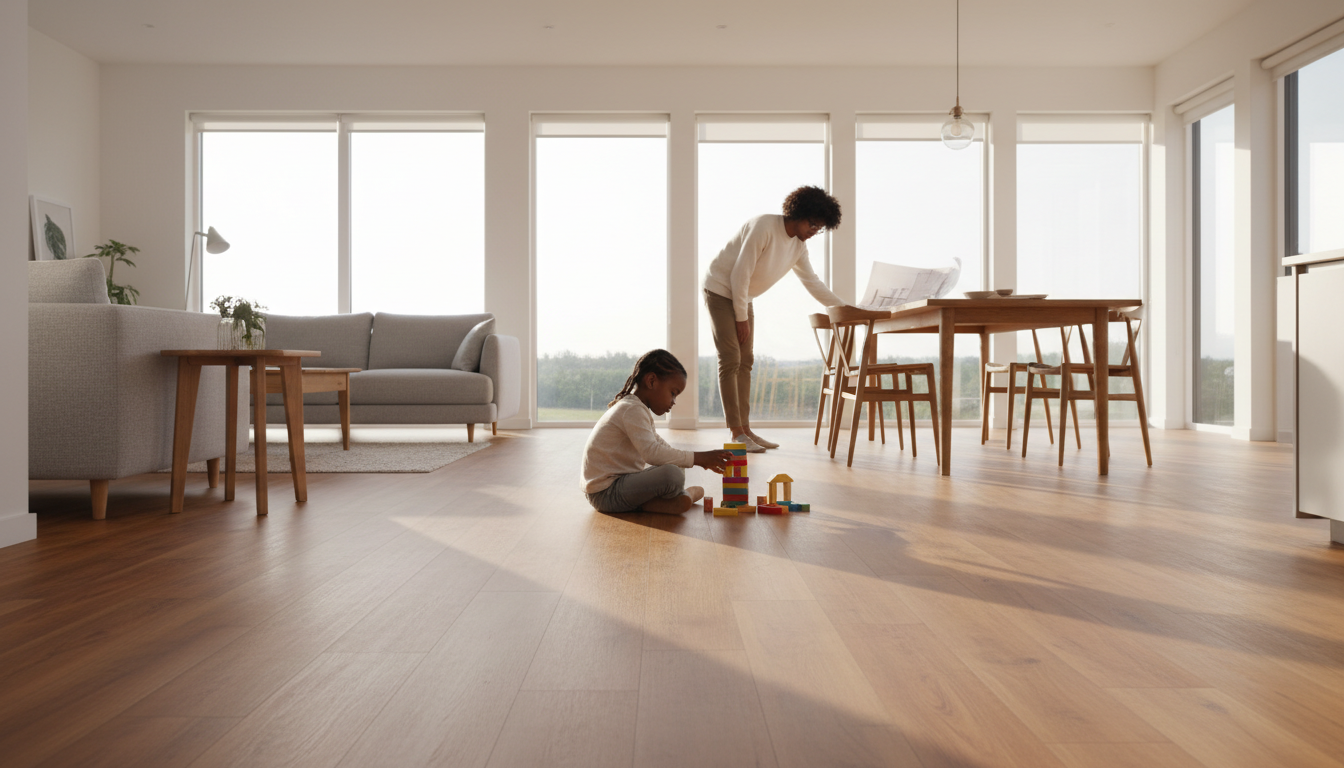
The sustainability of a material often hinges on its source and renewability. When assessing potential materials, consider their life cycle and resource consumption. Materials such as bamboo grow rapidly and regenerate quickly, making them excellent sustainable choices. On the other hand, materials harvested in a way that depletes natural resources or harms ecosystems should be avoided.
Renewable Resources
Opt for materials derived from renewable resources. For instance, cork is harvested from the bark of cork oak trees, which naturally regenerates, making it a sustainable option. Similarly, wool used for carpets or insulation is a renewable resource due to the annual shearing of sheep.

Energy Efficiency Considerations
Energy efficiency is another essential factor when choosing eco-friendly materials. Materials that improve energy efficiency can reduce your home's energy consumption, lowering utility bills and environmental impact. Insulation materials like cotton, made from recycled denim, provide excellent thermal performance.
Thermal Insulation
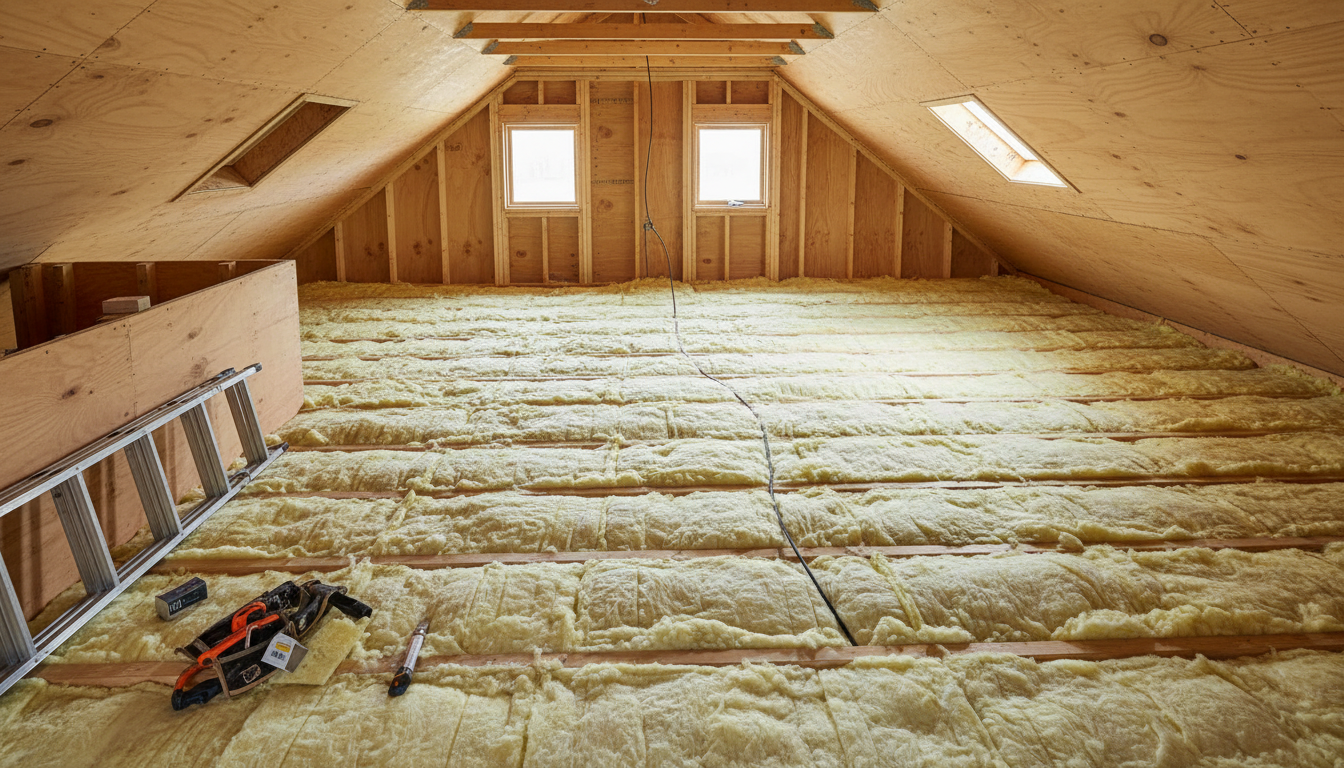
Consider materials that offer superior thermal insulation, such as straw bales or hempcrete. These materials not only provide effective insulation but are also biodegradable and have a lower carbon footprint compared to conventional insulation materials.
Non-Toxic and Safe Materials
Your health matters, and choosing non-toxic materials can contribute to a healthier living environment. Many conventional building materials release volatile organic compounds (VOCs), which can affect indoor air quality and pose health risks. Look for materials certified as low-VOC or VOC-free.
Paints and Finishes
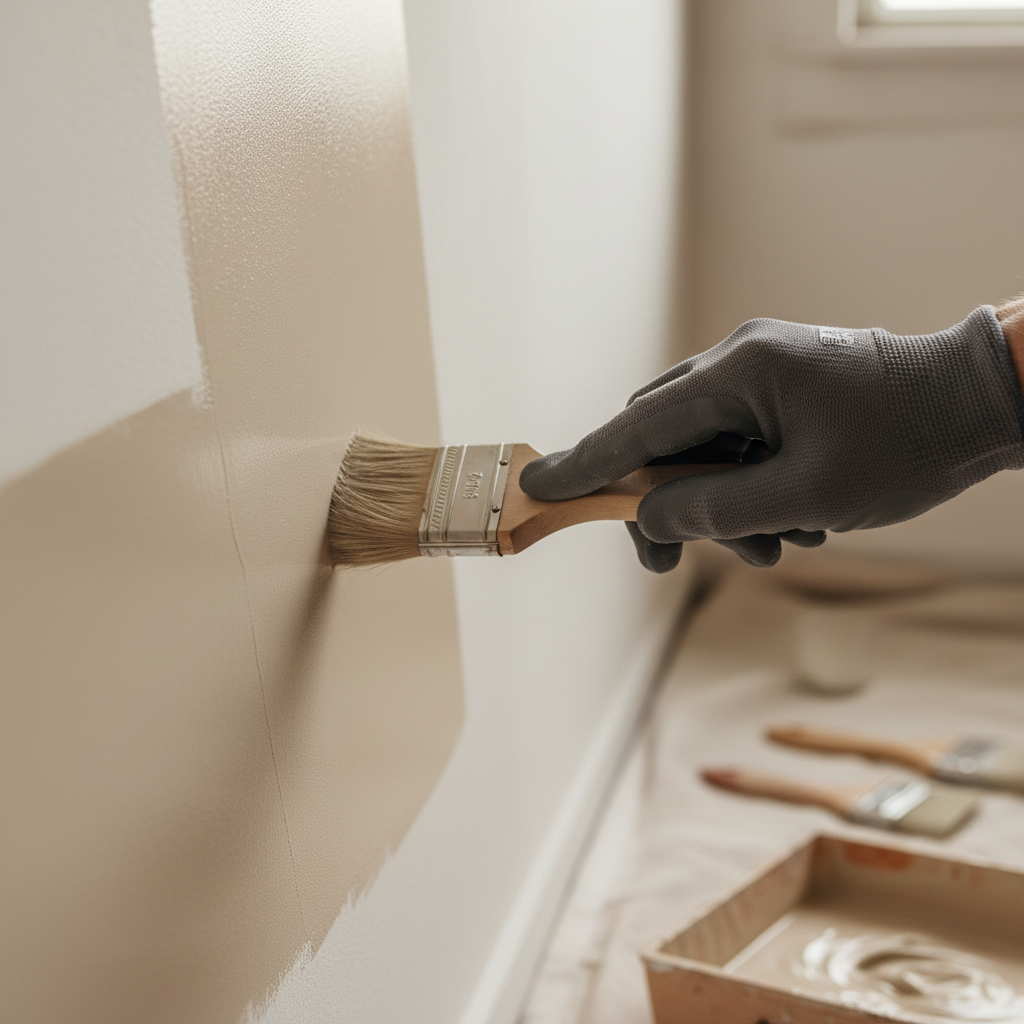
When selecting paints and finishes, opt for those labeled as low-VOC or natural. These options are not only safer for your health but also better for the environment. Natural finishes, such as beeswax or citrus-based oils, offer a beautiful and non-toxic alternative.
Recycled and Repurposed Options
Recycled materials are not only eco-friendly but also add unique character to your home. Recycled glass countertops, reclaimed wood flooring, and metal roofing made from recycled materials are excellent choices that contribute to sustainability.
Creative Repurposing
Consider creatively repurposing materials to reduce waste. Using salvaged doors, windows, and fixtures can add charm and history to your home while minimizing environmental impact.

Conclusion
Choosing the right eco-friendly materials for your home involves careful consideration of sustainability, energy efficiency, and health impacts. By prioritizing renewable, non-toxic, and recycled materials, you can create a beautiful and environmentally responsible living space. In doing so, you contribute to a healthier planet and a more sustainable future.