
Integrating Smart Home Technology in New Builds: Benefits and Considerations


Introduction to Smart Home Technology
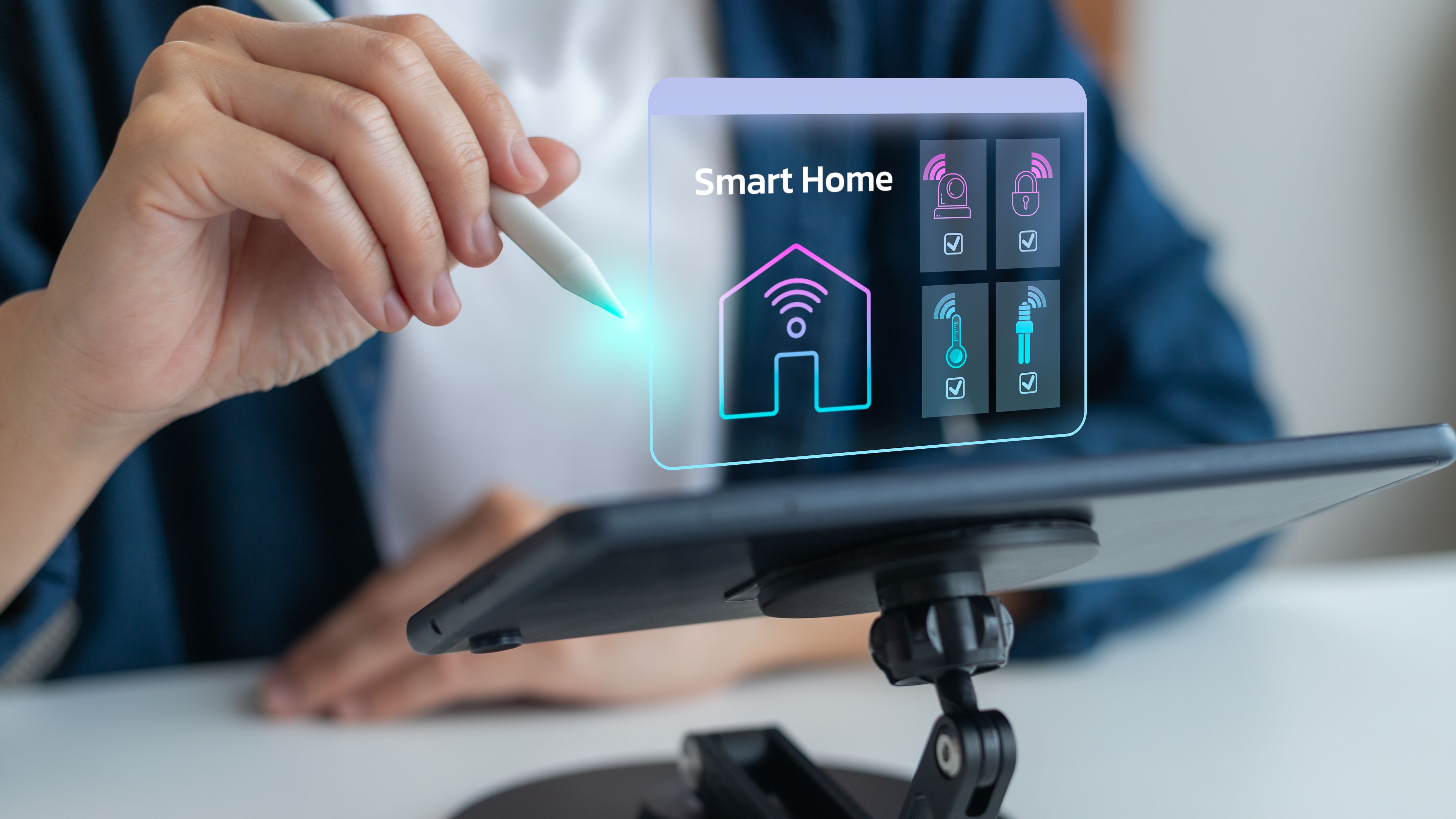
Smart home technology is transforming the way we live, offering convenience, security, and energy efficiency. By integrating these technologies into new builds, homeowners can enjoy a seamless, modern living experience. But what exactly does this integration entail, and what are the benefits and considerations?
Benefits of Smart Home Integration
Enhanced Convenience
One of the most significant advantages of smart home technology is the unparalleled convenience it offers. With systems that can be controlled remotely or through voice commands, homeowners can manage lighting, heating, and even appliances from anywhere in the world.
Improved Energy Efficiency
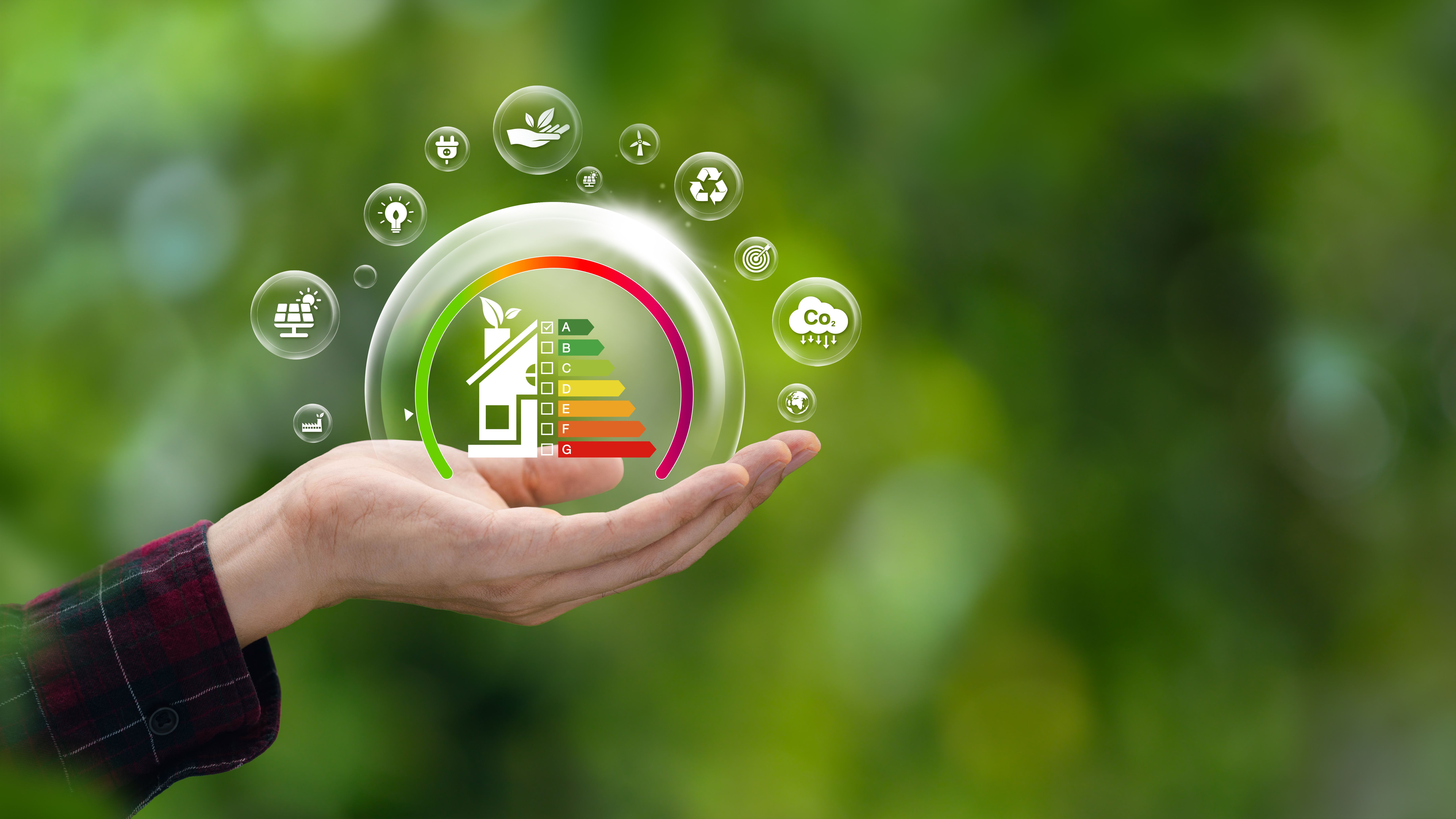
Smart home systems can significantly improve a household's energy efficiency. By using smart thermostats and lighting systems, homeowners can reduce energy consumption and lower utility bills. These systems adapt to the homeowner's lifestyle, optimizing energy use without sacrificing comfort.
Considerations for Builders and Homeowners
Infrastructure Requirements
Integrating smart home technology requires careful planning of the home's infrastructure. Builders must ensure that there is adequate wiring and connectivity to support these systems. This might involve working closely with technology specialists during the planning phase.
Cost Implications
While the long-term savings on energy bills can be significant, the initial cost of installing smart home technology can be high. Builders and homeowners should consider these costs and weigh them against the potential benefits.

Security and Privacy Concerns
With smart home technology, cybersecurity becomes a critical concern. Builders and homeowners need to ensure that these systems are secure and that data privacy is maintained. This involves selecting reputable products and staying informed about potential vulnerabilities.
Future-Proofing Your Home
Technology evolves rapidly, and what is cutting-edge today may become obsolete tomorrow. Builders should consider future-proofing their projects by installing systems that are easily upgradeable. This ensures that homeowners can keep up with technological advancements without major renovations.

Conclusion
Integrating smart home technology into new builds offers numerous benefits, from increased convenience to enhanced energy efficiency. However, it also requires careful consideration of costs, infrastructure, and security. By planning thoughtfully, builders and homeowners can create homes that are not only modern but also adaptable to future technological advancements.