
Local Regulations and Requirements for Builders in VIC


Understanding Building Permits in Victoria
Building in Victoria requires a thorough understanding of local regulations and requirements. One of the first steps in any construction project is obtaining the necessary building permits. These permits ensure that your project complies with local building codes and standards, which are designed to safeguard public health and safety. Failing to secure the proper permits can result in fines and legal complications.
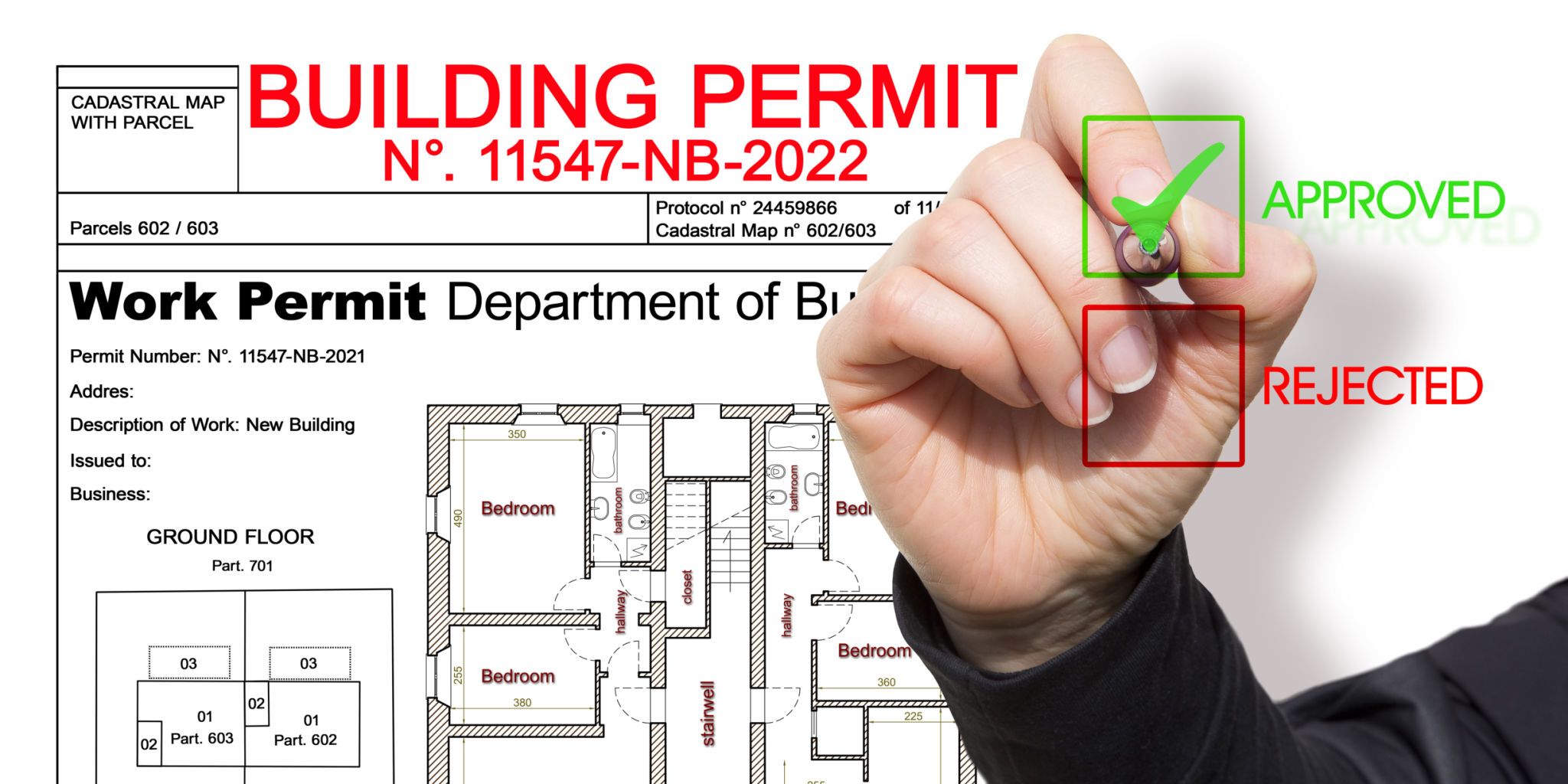
In Victoria, the Building Act 1993 and the Building Regulations 2018 are key legislative frameworks that guide the building permit process. Builders must submit detailed plans and specifications to a registered building surveyor. The surveyor assesses these documents for compliance with regulations before issuing a permit.
Roles and Responsibilities
Understanding the roles of different parties involved in the construction process is crucial. The builder, owner, and building surveyor all have specific responsibilities. The builder is responsible for adhering to the approved plans and ensuring that work meets the required standards. The owner must appoint a registered building surveyor and ensure that the builder has the necessary permits before commencing work.
The building surveyor plays a critical role in overseeing the project. They conduct inspections at various stages of construction to verify compliance with the approved plans and regulations. It's essential for builders to maintain open communication with the surveyor to address any issues promptly.

Compliance with the Building Code of Australia
The Building Code of Australia (BCA) is a national standard that outlines the technical provisions for building work. In Victoria, compliance with the BCA is mandatory. This code covers various aspects of construction, including structural integrity, fire safety, and energy efficiency. Builders must ensure that their projects meet these standards to avoid costly modifications and delays.
It's important for builders to stay updated with any changes to the BCA. Engaging with professional bodies and attending relevant workshops can help builders keep abreast of new developments and ensure compliance with the latest standards.

Environmental Considerations
Environmental sustainability is increasingly becoming a priority in Victoria's building industry. Builders are encouraged to incorporate sustainable practices into their projects, such as energy-efficient designs and materials. The government offers incentives for projects that achieve specific environmental performance targets, which can be an attractive proposition for clients.
Moreover, local councils may have additional requirements related to environmental impact. Builders should consult with the relevant local authorities to understand any specific environmental guidelines that apply to their projects.
Engaging with Local Councils
Engaging with local councils is a crucial aspect of the building process in Victoria. Councils are responsible for enforcing planning and building regulations and can provide valuable guidance on local requirements. Builders should establish a good working relationship with council representatives to facilitate a smooth approval process.
Each council may have its own set of guidelines and requirements, so it's important for builders to familiarize themselves with the specific expectations of the areas they are working in. Early engagement with councils can help identify potential issues and streamline the approval process.

Final Inspections and Occupancy Permits
Once construction is complete, a final inspection is necessary to ensure compliance with the approved plans and regulations. A registered building surveyor conducts this inspection and, if satisfied, issues an occupancy permit. This permit signifies that the building is safe to occupy and use.
Builders should be aware that any deviations from the approved plans may require additional approvals or modifications. It's important to address any discrepancies promptly to avoid delays in obtaining the occupancy permit.