
Smart Home Integration in Victoria: What Homeowners Need to Know


Smart home integration is rapidly transforming the way homeowners in Victoria live, offering unprecedented convenience, security, and energy efficiency. As more residents embrace this technology, understanding the key aspects of smart home systems becomes essential.
Understanding Smart Home Integration
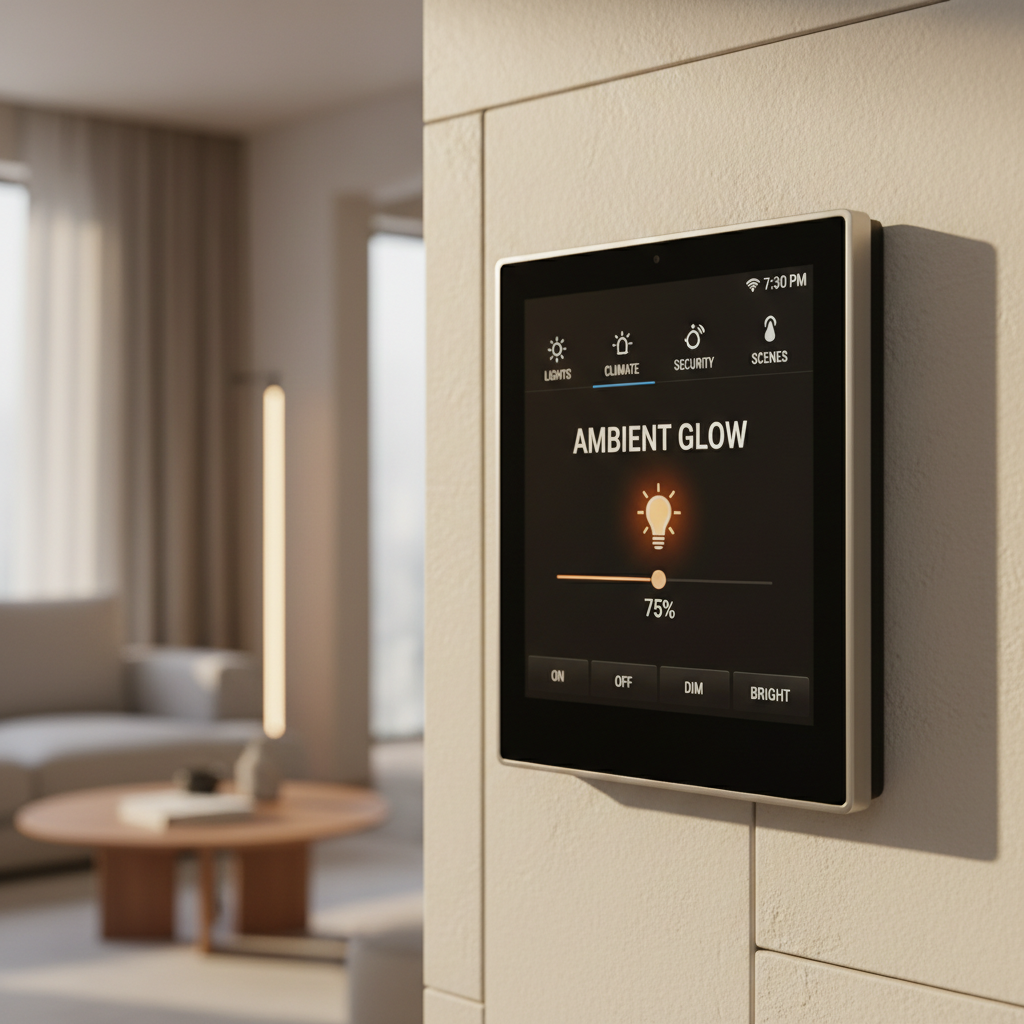
Smart home integration involves connecting various devices and systems within your home to a central hub, allowing you to control them through a smartphone or voice-activated assistant. This setup can include lighting, heating, security systems, and entertainment devices, all working together seamlessly.
Integrating these systems not only enhances your lifestyle but can also increase the value of your home. A well-integrated smart home provides a futuristic living experience, making everyday tasks simpler and more efficient.
Key Components of a Smart Home
Several essential components form the backbone of a smart home system:
- Smart Hub: The brain of your smart home, managing communication between devices.
- Smart Lighting: Automated lighting systems that can be controlled remotely.
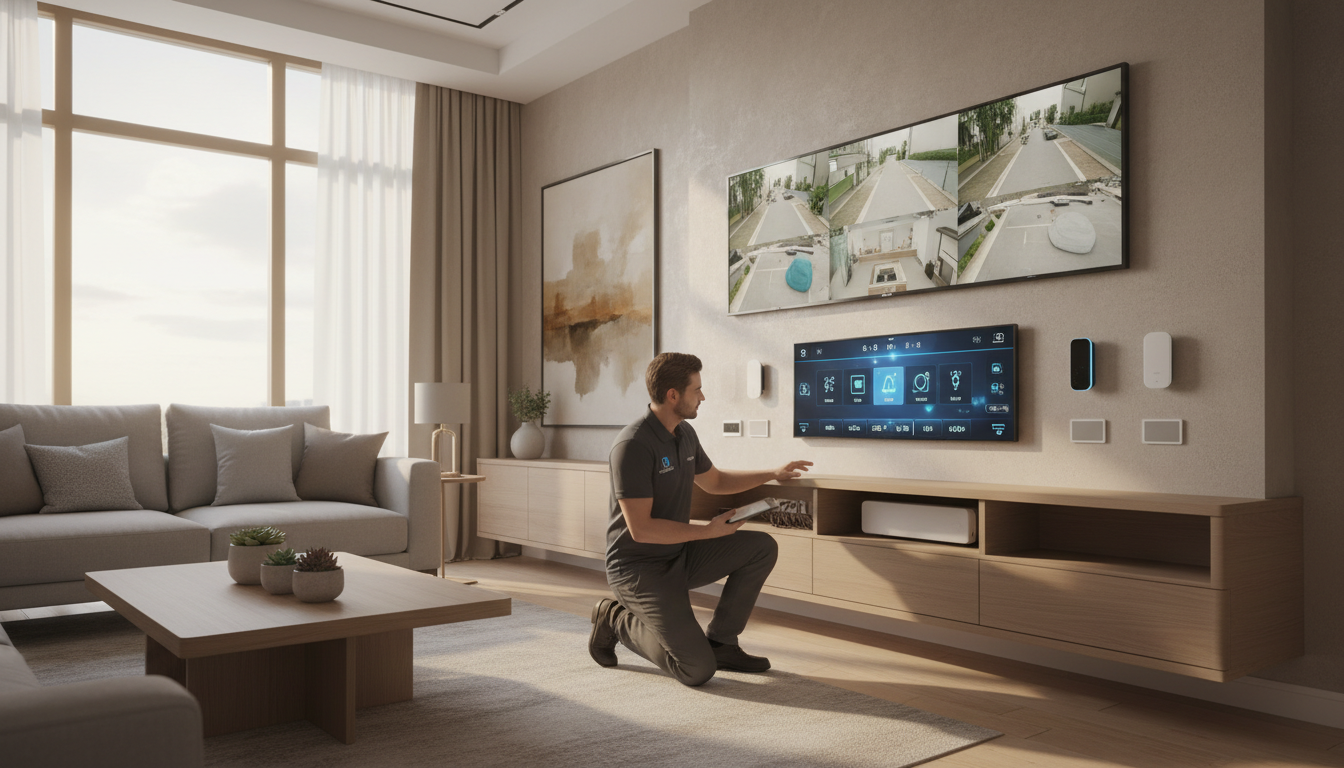
- Security Systems: Includes cameras, sensors, and alarms that can be monitored via mobile devices.
- Thermostats: Allows for precise temperature control, improving energy efficiency.

Benefits of Smart Home Technology
Adopting smart home technology in Victoria offers numerous benefits, including enhanced security and cost savings. Smart security systems provide real-time monitoring, helping to deter intruders and protect your home.
Energy efficiency is another significant advantage. Smart thermostats and lighting systems allow you to optimize energy use, leading to lower utility bills. Additionally, these systems contribute to a more sustainable lifestyle by reducing your carbon footprint.
Considerations for Homeowners
Before diving into smart home integration, homeowners should consider a few key factors:
- Compatibility: Ensure that all devices and systems are compatible with your chosen smart hub.
- Budget: Determine a budget that covers the initial setup and ongoing maintenance costs.
- Security: Choose systems with robust security features to protect against cyber threats.
Choosing the Right System
When selecting a smart home system, it's important to evaluate your specific needs and preferences. Consider starting with a basic setup and gradually expanding as you become more comfortable with the technology.
Consulting with a professional can also be beneficial. They can provide insights into the latest technologies and help tailor a solution that fits your lifestyle and budget.
In conclusion, smart home integration in Victoria presents an exciting opportunity for homeowners. By understanding the components, benefits, and considerations, you can create a more efficient, secure, and enjoyable living environment.