
Sustainable Construction Trends: What Every Builder Needs to Know


Embracing Sustainable Materials
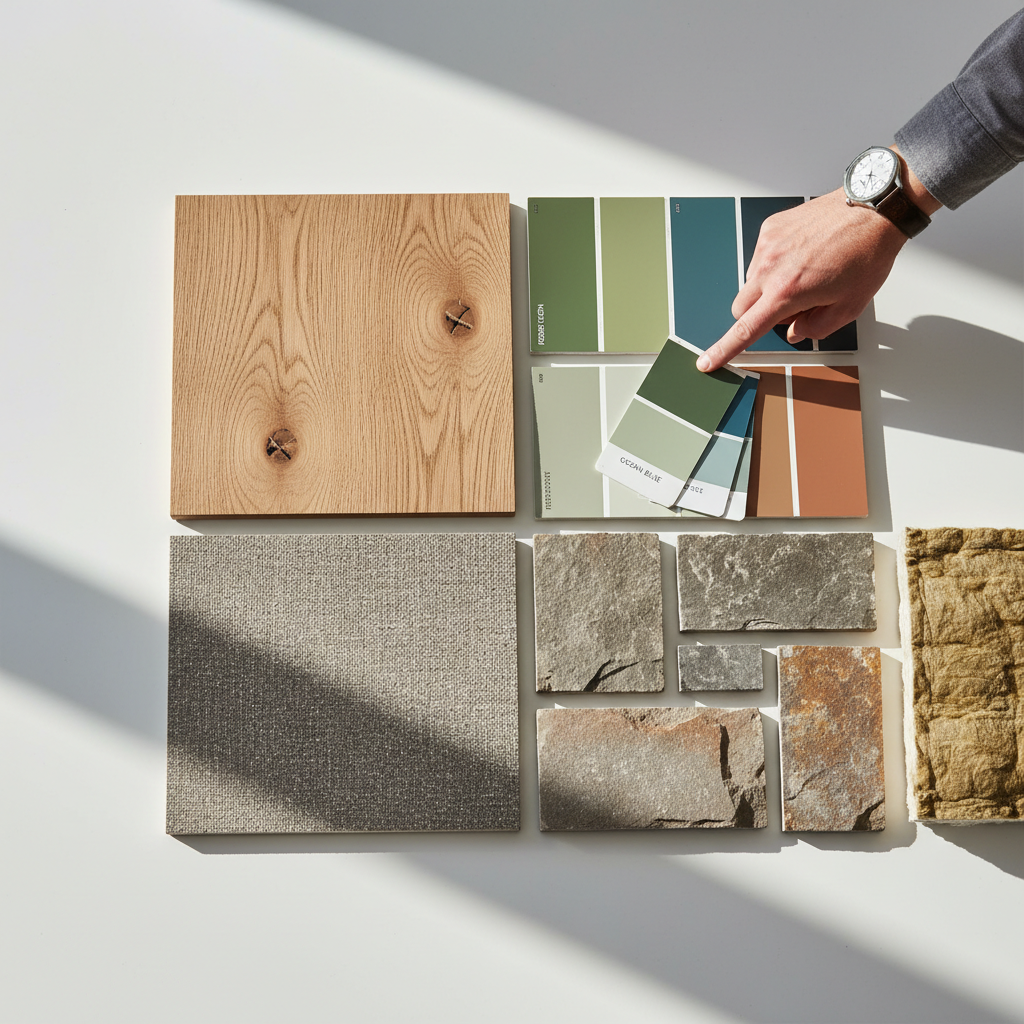
The push towards sustainability in construction is more than a trend—it's a necessity. Builders are increasingly turning to eco-friendly materials such as bamboo, recycled steel, and reclaimed wood. These materials not only reduce environmental impact but also offer unique aesthetic qualities that enhance modern architecture.
Using sustainable materials can significantly decrease a building's carbon footprint. For instance, bamboo grows faster than traditional timber and absorbs more carbon dioxide, making it a viable and sustainable alternative for flooring and structural elements.
Energy-Efficient Building Design
Energy efficiency is a cornerstone of sustainable construction. Builders are integrating advanced design techniques to minimize energy consumption. This includes strategic placement of windows for natural lighting and the use of high-performance insulation materials.
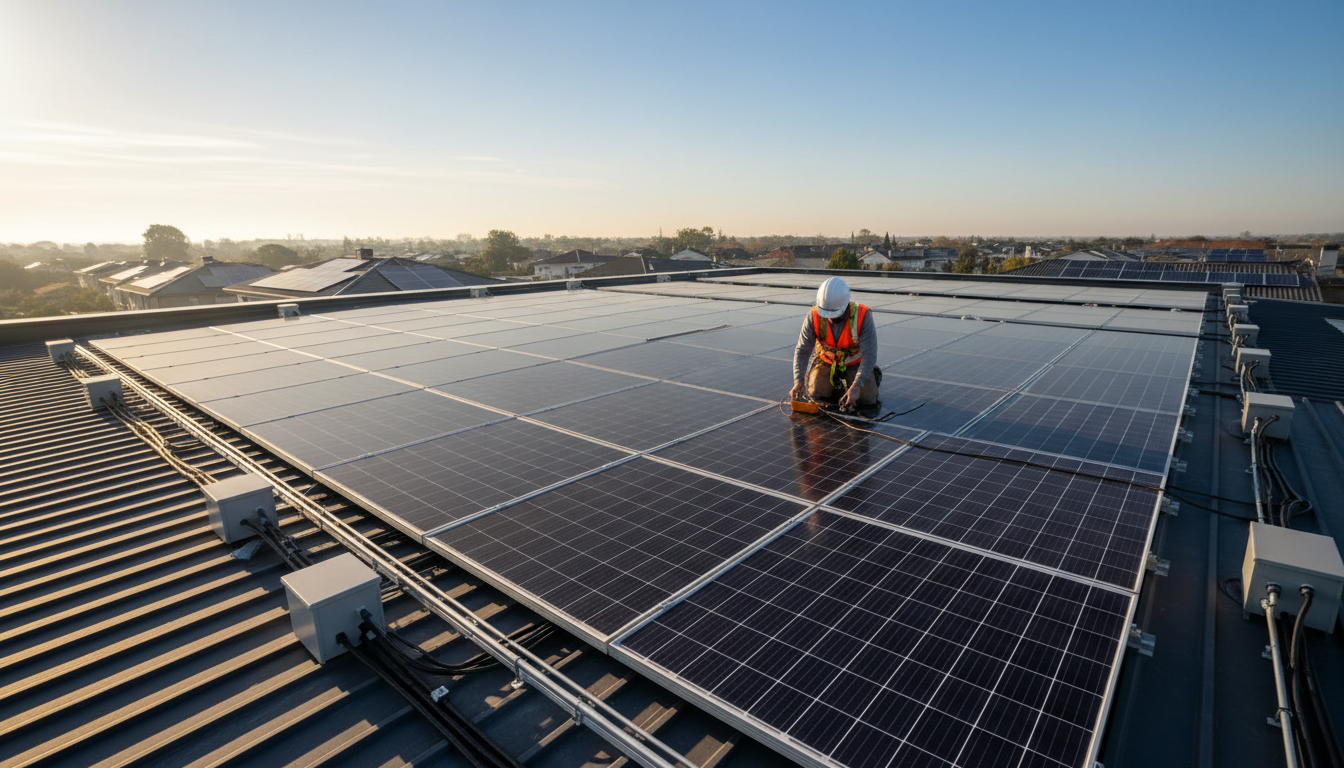
Incorporating solar panels and green roofs is another effective strategy. These features not only reduce reliance on non-renewable energy sources but also contribute to significant cost savings over time. The initial investment in these technologies often pays off through reduced utility bills.
Water Conservation Techniques
Water scarcity is a global concern, and sustainable construction practices address this issue through innovative water conservation methods. Implementing rainwater harvesting systems and low-flow plumbing fixtures are practical steps builders are taking.
Greywater recycling systems are also gaining popularity. These systems reuse water from sinks and showers for irrigation and flushing toilets, reducing the overall water usage of a building.

Smart Building Technologies
The integration of smart technologies is revolutionizing the construction industry. Automated systems that control lighting, heating, and cooling based on occupancy and time of day are becoming standard. These technologies not only enhance comfort but also significantly reduce energy consumption.
The use of smart thermostats and energy management systems allows building managers to monitor and optimize energy use in real-time, leading to more efficient operations and reduced environmental impact.

Waste Reduction and Recycling
Construction waste is a significant environmental issue, but innovative builders are finding ways to minimize it. By adopting modular construction techniques and prefabrication, waste is reduced, and efficiency is increased.
Recycling construction materials, like concrete and metal, is another effective strategy. This approach not only conserves resources but also reduces landfill waste, contributing to a more sustainable construction process.

The Future of Sustainable Construction
As the demand for sustainable buildings continues to grow, builders must stay informed about the latest trends and technologies. Embracing these practices not only benefits the environment but also meets the increasing consumer demand for eco-friendly solutions.
Understanding and implementing these sustainable construction trends is crucial for builders who wish to remain competitive and contribute positively to the environment. By prioritizing sustainability, the construction industry can play a pivotal role in shaping a greener future.