
The Future of Construction: Trends Shaping the Building Industry


As we look to the future, the construction industry is on the brink of a major transformation. With rapid advancements in technology and shifting societal needs, new trends are set to redefine how we build and design structures. Embracing these changes will be crucial for businesses to stay competitive and sustainable.
Technological Innovations
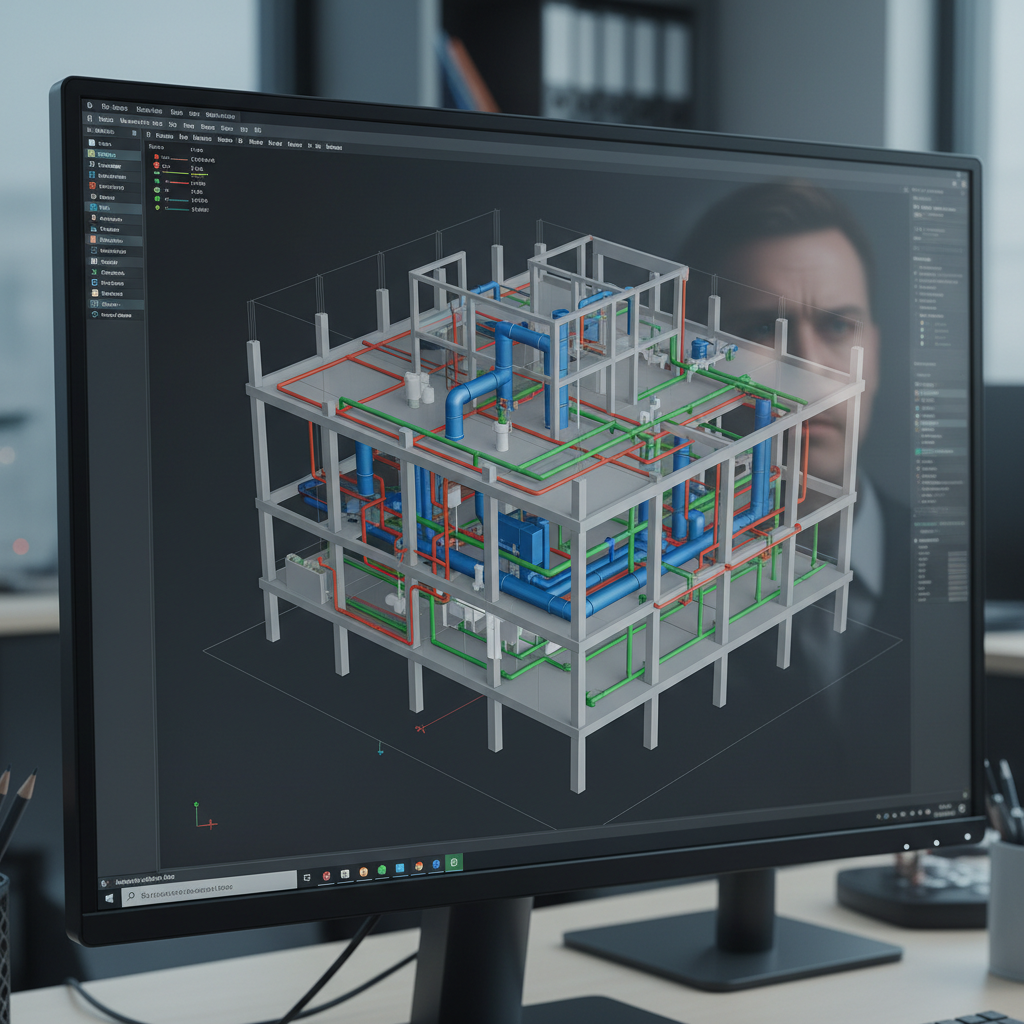
The integration of technology in construction is reshaping the industry landscape. One of the most significant technological advancements is the use of Building Information Modeling (BIM). BIM allows for the creation of digital representations of physical structures, enabling better collaboration and efficiency throughout the project lifecycle.
Automation and Robotics
Automation is no longer a futuristic concept but a present reality in construction. Robotics are being employed for tasks such as bricklaying and concrete dispensing, reducing human error and increasing project speed. Drones are also being used for site surveys and inspections, providing real-time data and enhancing safety.
Sustainability and Eco-Friendly Practices
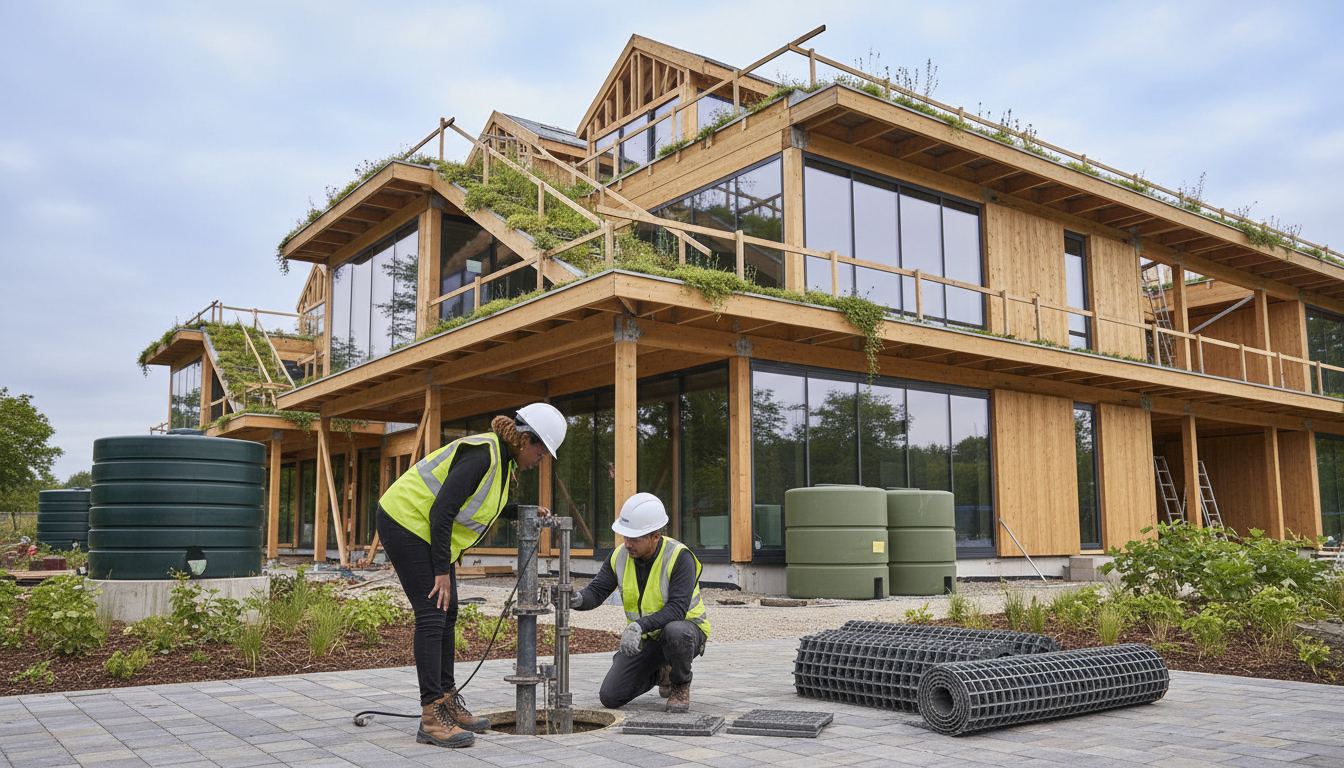
With growing environmental concerns, the construction industry is moving towards more sustainable practices. Green building materials, such as recycled steel and bamboo, are gaining popularity. Additionally, energy-efficient designs and renewable energy installations are becoming standard practices in new projects.
Waste Reduction
Reducing construction waste is a critical aspect of sustainability. The industry is adopting techniques like prefabrication, which allows for precise material usage and minimizes leftover waste. By prioritizing waste reduction, construction projects can significantly lower their environmental impact.
Smart Buildings and IoT
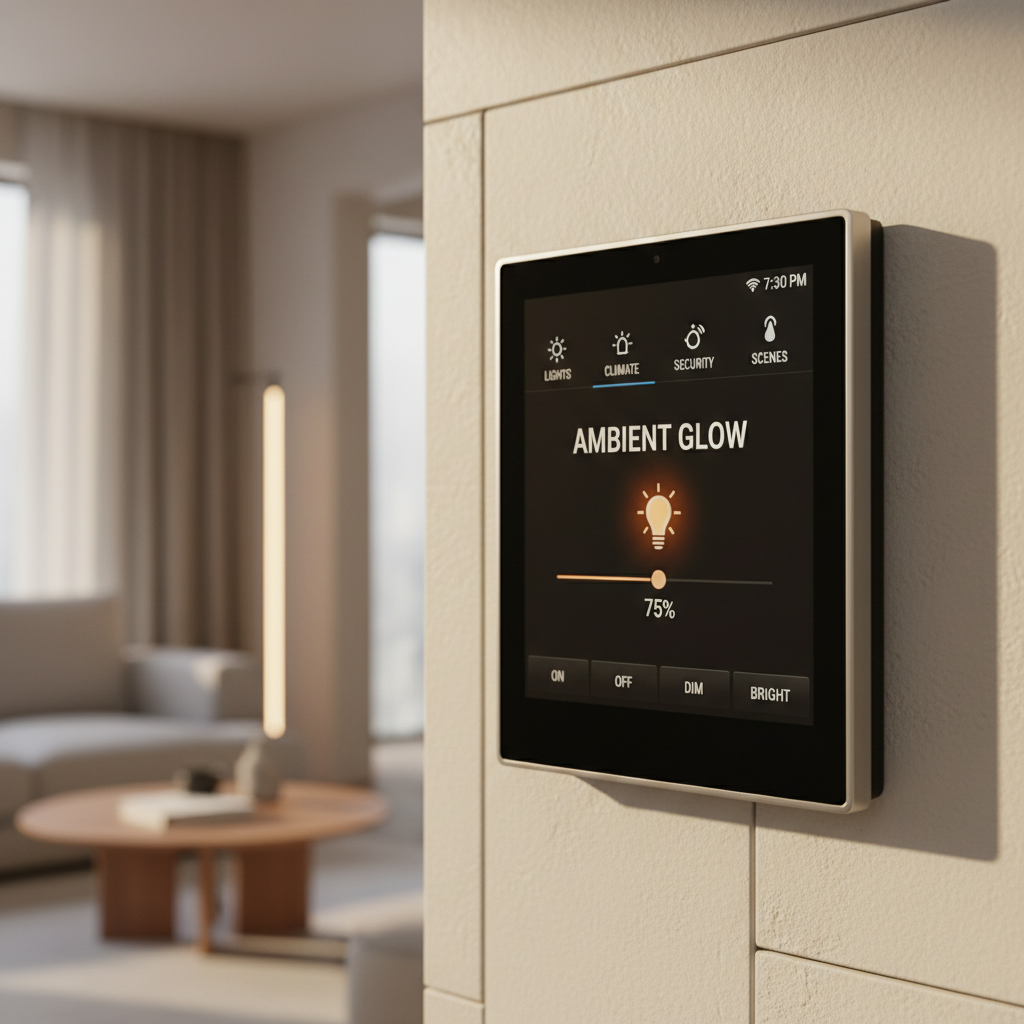
The rise of smart buildings is another trend shaping the future of construction. These structures utilize Internet of Things (IoT) technology to enhance building operations. From automated lighting systems to advanced climate control, smart buildings offer increased efficiency and comfort for occupants.
Data-Driven Decisions
IoT devices collect vast amounts of data, enabling construction managers to make informed decisions. This data-driven approach leads to optimized resource management, predictive maintenance, and improved safety protocols, ultimately driving down costs and enhancing project outcomes.
The Role of Virtual Reality
Virtual Reality (VR) is becoming a powerful tool in construction. By creating immersive simulations, VR allows architects and clients to experience and modify designs before construction begins. This technology not only improves design accuracy but also enhances client satisfaction by providing a clearer vision of the final product.

The future of construction is undeniably exciting, with innovations that promise to make building safer, more efficient, and environmentally friendly. As these trends continue to evolve, staying informed and adaptable will be key for industry leaders looking to thrive in this dynamic environment.