
The Future of Eco-Friendly Construction: Insights and Opportunities


The Rise of Eco-Friendly Construction
As the world continues to grapple with climate change, the construction industry is undergoing a significant transformation. Eco-friendly construction is no longer just a trend; it's becoming the norm. This shift is driven by both consumer demand and regulatory changes aiming to reduce the environmental impact of buildings.
In recent years, sustainable building practices have become more accessible, thanks to technological advancements and a broader understanding of environmental issues. The future of construction looks promising, with numerous opportunities for innovation and growth in this sector.
Green Building Materials
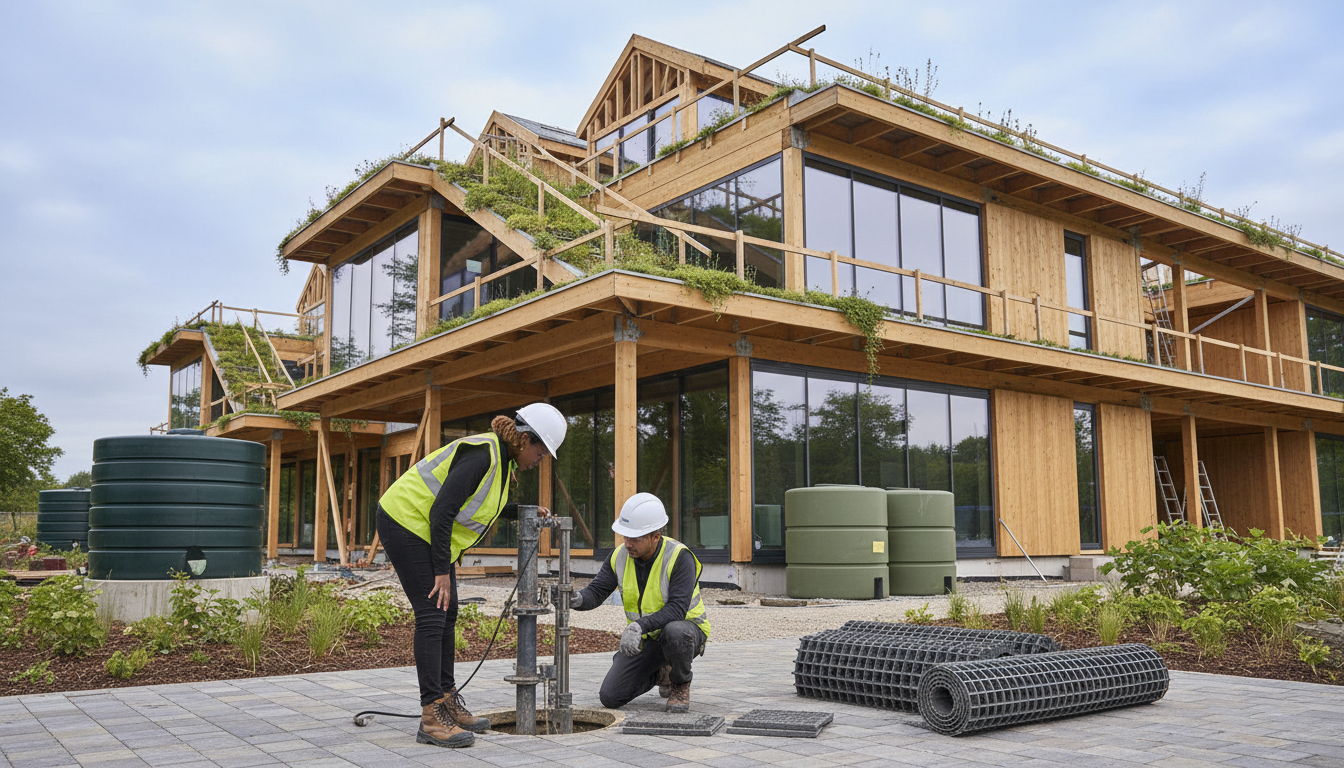
One of the key components of eco-friendly construction is the use of green building materials. These materials are designed to have minimal impact on the environment and can include recycled metal, bamboo, reclaimed wood, and low-VOC paints.
The use of green materials not only reduces the carbon footprint of construction projects but also often enhances the durability and energy efficiency of buildings. As technology advances, the development of new, innovative materials is expected to accelerate, offering even more options to builders and developers.
Energy Efficiency and Smart Technology
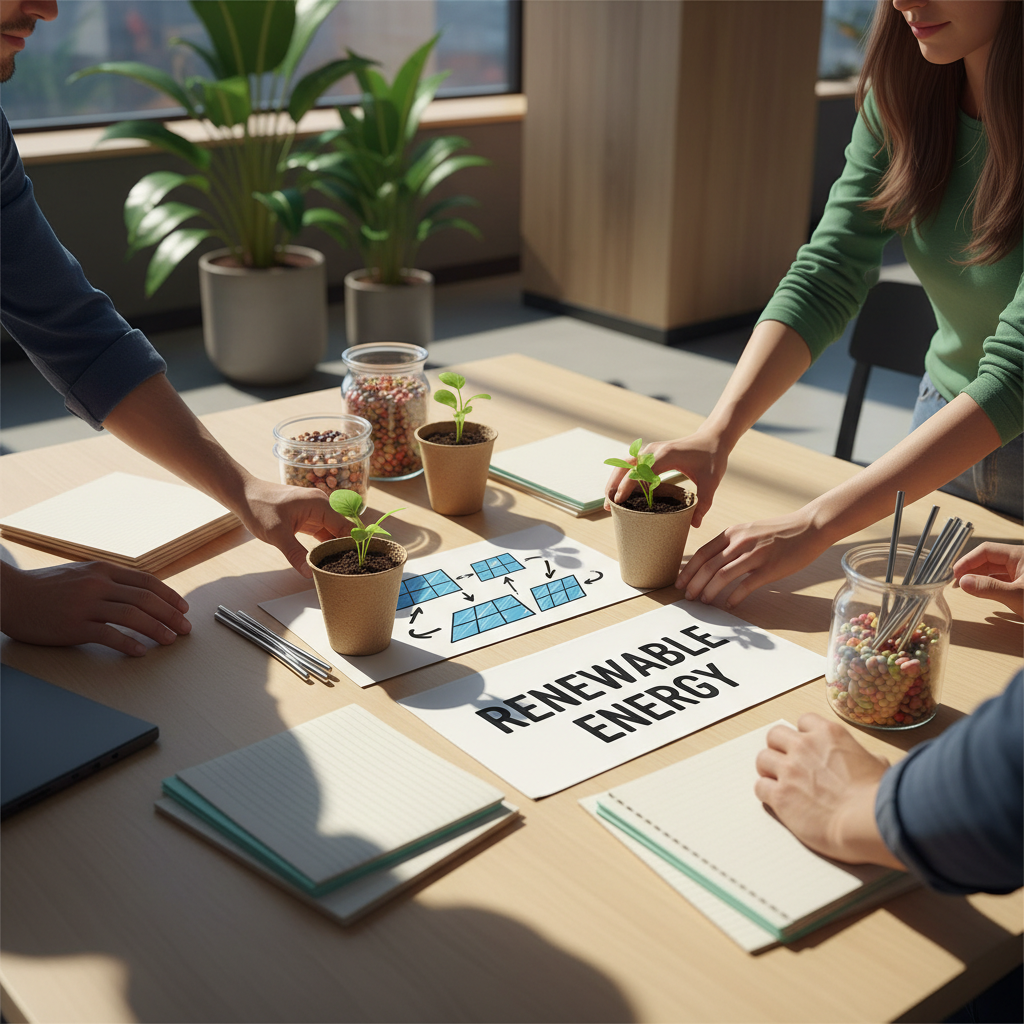
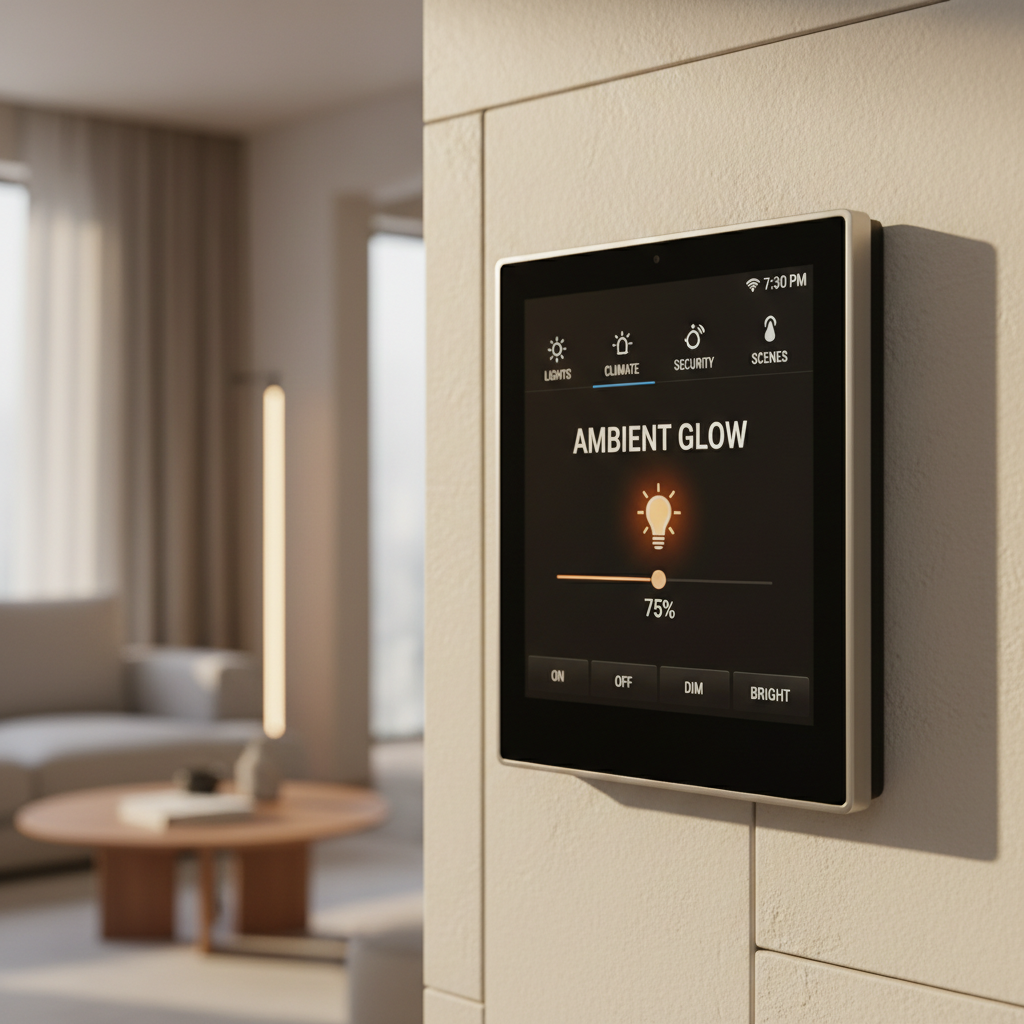
The integration of smart technology in building designs is revolutionizing energy efficiency. Smart homes and commercial buildings can use intelligent systems to optimize energy use, reducing both costs and environmental impact.
Features such as smart thermostats, energy-efficient lighting, and automated systems are becoming standard in eco-friendly construction. These technologies allow buildings to adjust to the needs of their occupants, ensuring optimal energy use at all times.
Renewable Energy Sources
Incorporating renewable energy sources like solar panels and wind turbines is another significant trend in eco-friendly construction. These systems provide sustainable energy, reducing reliance on fossil fuels and decreasing greenhouse gas emissions.
The cost of renewable energy technology is decreasing, making it more accessible for builders and homeowners. As a result, the integration of renewable energy solutions in construction projects is expected to grow, contributing to a more sustainable future.
The Role of Government and Policy
Government initiatives and policies are playing a crucial role in promoting eco-friendly construction. Many regions have introduced regulations that mandate energy efficiency and sustainability standards in new buildings.
These policies often include incentives for builders and developers who adhere to green building practices, encouraging wider adoption of sustainable construction methods. As governments continue to prioritize environmental issues, these regulations are likely to become more stringent, driving further innovation in the industry.
Challenges and Opportunities
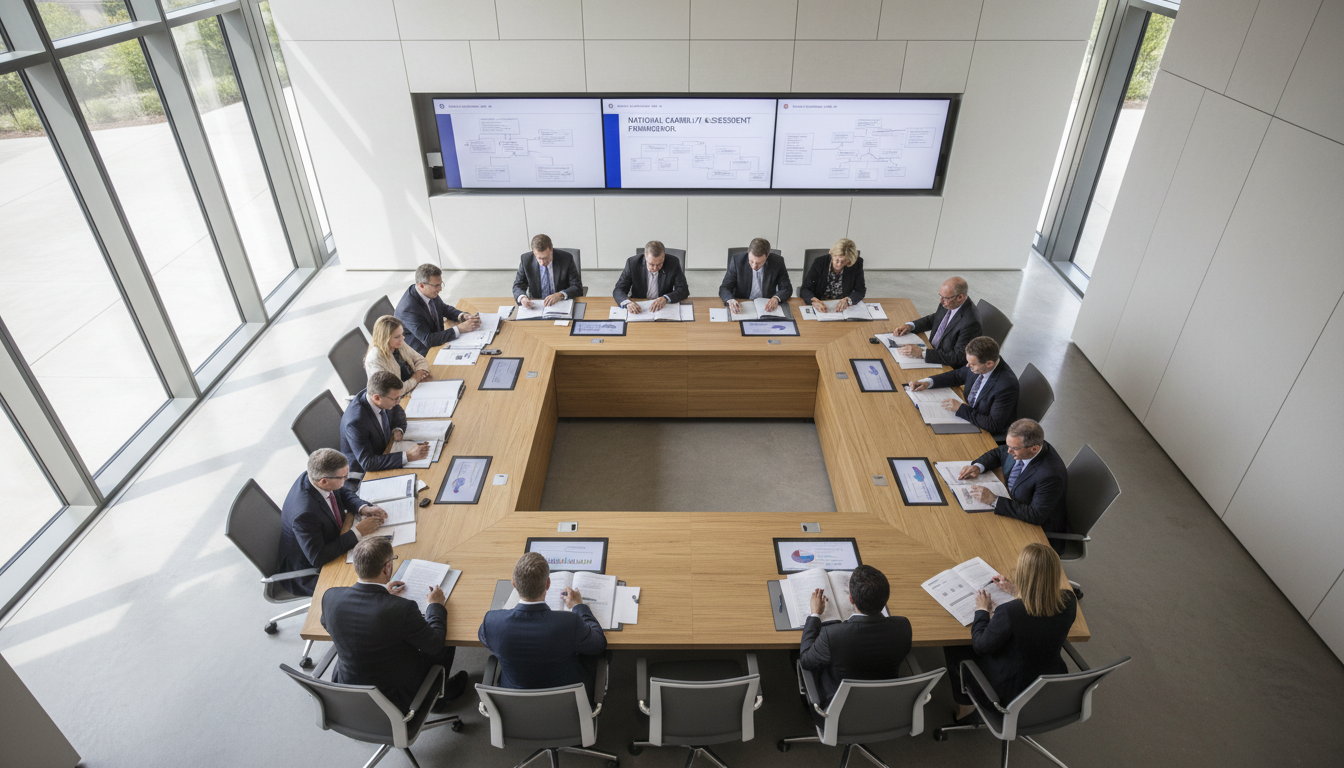
While the future of eco-friendly construction is bright, there are challenges to overcome. One major hurdle is the initial cost of implementing sustainable practices, which can be higher than traditional methods. However, the long-term savings on energy and maintenance often offset these costs.
There is also a growing opportunity for businesses to develop new solutions and technologies that address these challenges. Companies that can innovate and provide cost-effective, sustainable options are well-positioned to thrive in this evolving market.
In conclusion, the future of eco-friendly construction is filled with potential. As awareness of environmental issues grows, so too does the demand for sustainable building practices. By embracing green materials, smart technology, renewable energy, and supportive policies, the construction industry can lead the way to a more sustainable future.