
The Latest Eco-Friendly Building Materials Trends in Australia


Introduction to Eco-Friendly Building Materials
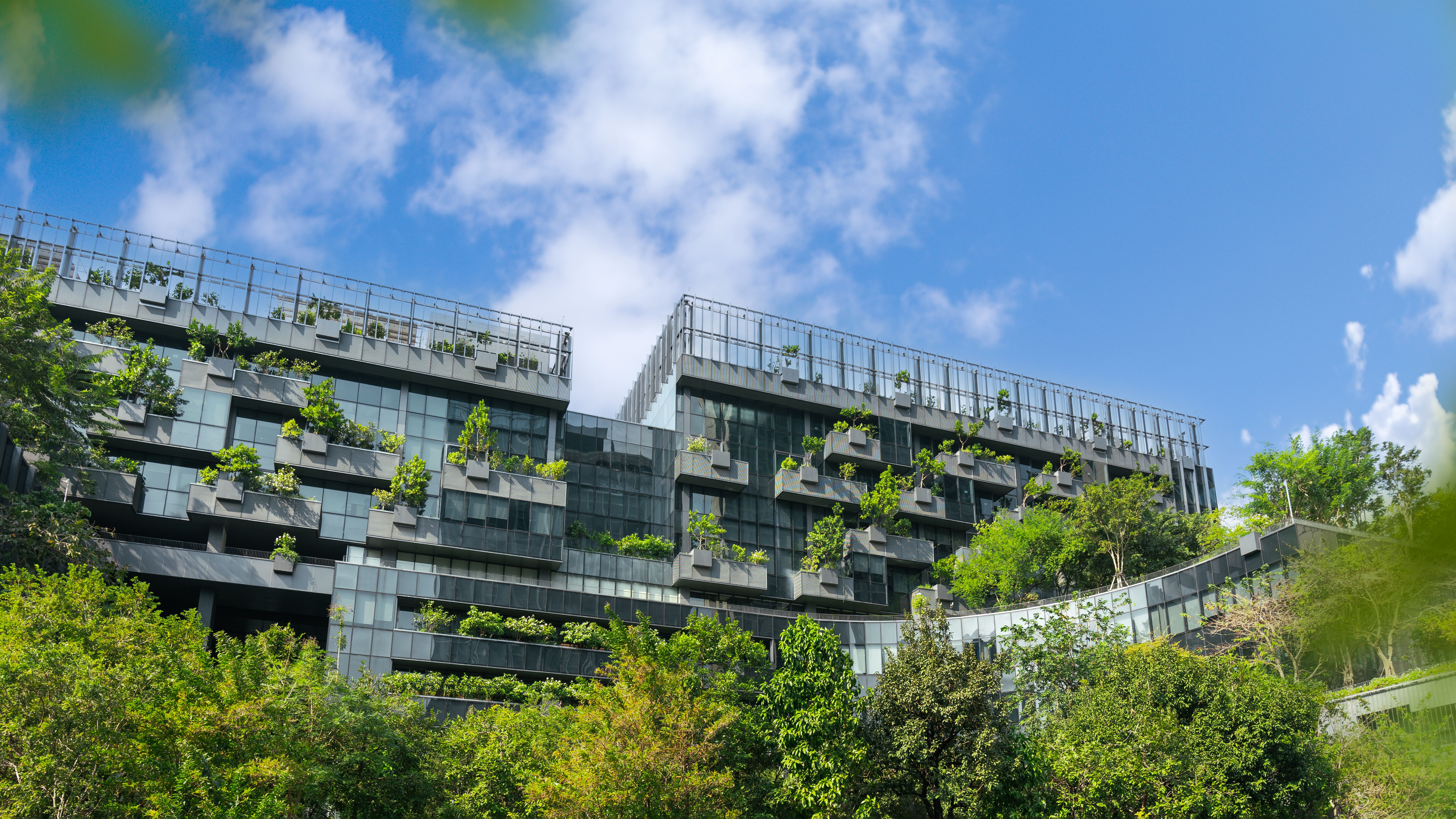
Australia is at the forefront of sustainable building practices, with a growing emphasis on eco-friendly materials. The construction industry is increasingly aware of its environmental impact and is turning to innovative solutions to reduce its carbon footprint. This shift is not only beneficial for the planet but also offers long-term cost savings and enhanced building performance.
Recycled and Reclaimed Materials
One of the most popular trends in eco-friendly building materials is the use of recycled and reclaimed materials. By repurposing materials such as wood, metal, and glass, builders can reduce waste and lower the demand for new raw materials. This approach not only saves resources but also adds a unique aesthetic to the finished product.
Reclaimed timber, in particular, is highly sought after for its rustic charm and durability. It's often used in flooring, beams, and furniture, giving buildings a characterful touch while promoting sustainability.
Green Insulation Solutions
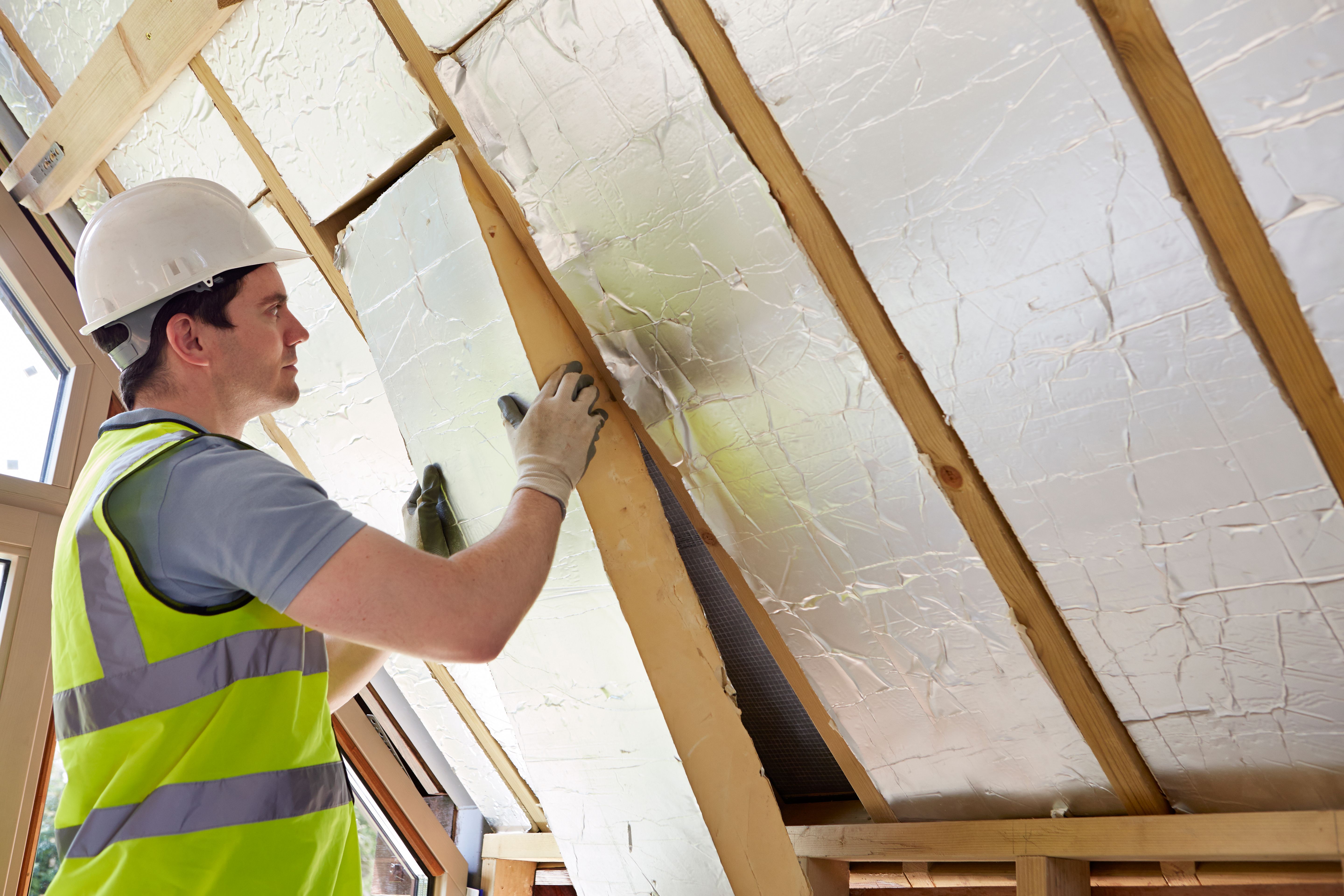
Insulation plays a crucial role in energy efficiency, and eco-friendly options are gaining popularity in Australia. Materials like sheep's wool, cellulose, and hemp are being used as sustainable alternatives to traditional insulation. These materials are not only environmentally friendly but also provide excellent thermal and acoustic properties.
Benefits of Natural Insulation
Natural insulation options are biodegradable, non-toxic, and have a lower environmental impact during production. They also contribute to healthier indoor air quality, making them an attractive choice for eco-conscious builders and homeowners.
Innovative Concrete Alternatives
Traditional concrete production is a significant source of carbon emissions. In response, the industry is exploring innovative alternatives such as geopolymer concrete and carbon-cured concrete. These materials offer similar strength and durability while significantly reducing emissions.

Additionally, incorporating recycled aggregates into concrete mixes is another effective strategy to enhance sustainability. This approach reduces the need for virgin materials and diverts waste from landfills.
Sustainable Timber and Bamboo
Timber and bamboo are renewable resources that are gaining traction in the construction industry. Certified sustainable timber ensures that forests are managed responsibly, while bamboo's rapid growth makes it an excellent eco-friendly option. Both materials offer versatility and aesthetic appeal, making them popular choices for flooring, furniture, and structural elements.
Bamboo, in particular, is praised for its strength and flexibility, often being used in both interior and exterior applications.
The Future of Eco-Friendly Building in Australia
As awareness of environmental issues grows, the demand for eco-friendly building materials in Australia is expected to rise. Builders and architects are continually exploring new technologies and materials to create sustainable and energy-efficient structures. This trend not only benefits the environment but also enhances the quality of life for occupants.
In conclusion, the adoption of eco-friendly building materials is a promising trend that reflects a broader commitment to sustainability in the construction industry. By staying informed and embracing these innovative solutions, Australia is paving the way for a greener future.