The Ultimate Guide to Smart Home Integration in New Builds


Understanding Smart Home Integration
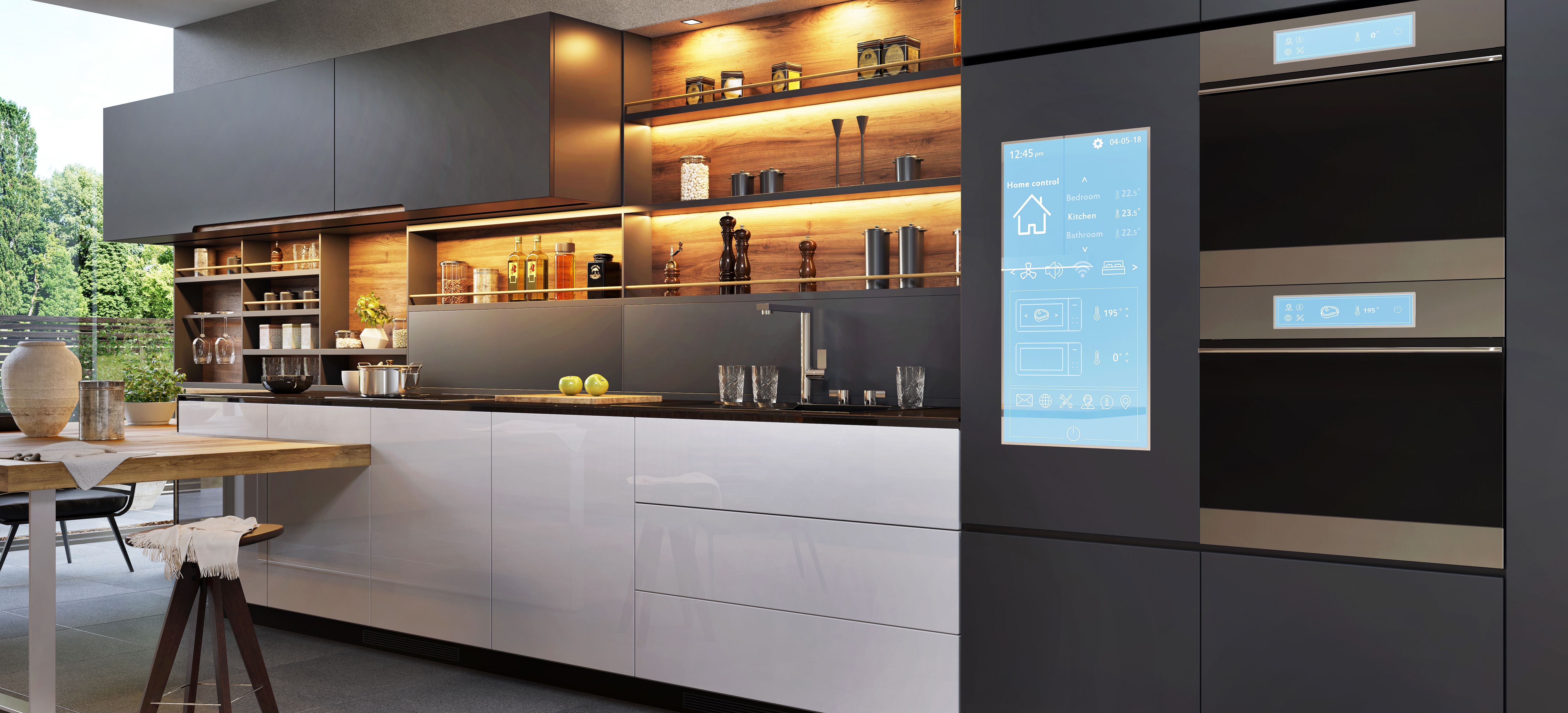
Incorporating smart home technology into new builds has become increasingly popular. As technology advances, the demand for homes that offer enhanced convenience, security, and energy efficiency is growing. Smart home integration allows homeowners to control various aspects of their home environment through connected devices and systems.
Benefits of Smart Home Technology
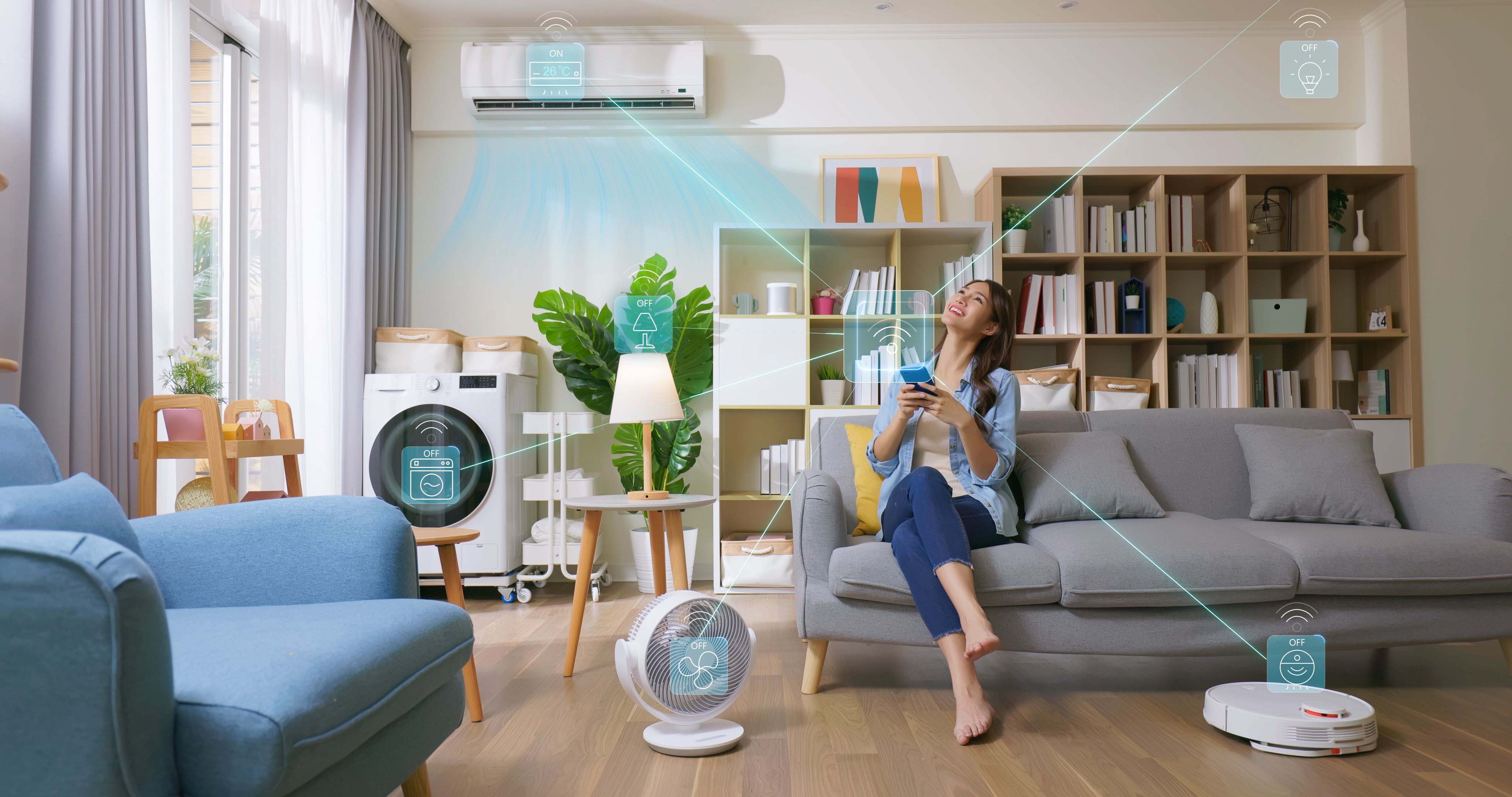
Smart home systems offer numerous benefits that can significantly enhance the living experience. One of the primary advantages is the convenience of managing home functions remotely. Whether adjusting the thermostat or monitoring security cameras, smart technology allows for seamless control.
Additionally, energy efficiency is a standout benefit. Smart thermostats, lighting systems, and appliances can reduce energy consumption, leading to lower utility bills. Enhanced security features, such as smart locks and surveillance systems, also provide peace of mind.
Key Components of a Smart Home
When planning a new build with smart home integration, it’s essential to consider the key components that will form the foundation of the system. These include:
- Smart Lighting: Automated lighting systems that can be controlled remotely.
- Smart Thermostats: Devices that optimize heating and cooling for energy efficiency.
- Security Systems: Cameras, motion detectors, and smart locks for enhanced safety.
- Entertainment Systems: Integrated audio and video systems for a seamless entertainment experience.

Choosing the Right Smart Home Devices
With a plethora of smart home devices available, selecting the right ones for your new build can be overwhelming. It’s important to prioritize your needs and choose devices that offer compatibility with each other. Opt for systems that support popular platforms like Amazon Alexa, Google Assistant, or Apple HomeKit for seamless integration.
Consider the ease of use, scalability, and customer support offered by different brands. It’s also wise to invest in devices with robust security features to protect your home from potential cyber threats.
Planning for Smart Home Integration
Incorporating smart technology into new builds requires careful planning. Collaborate with architects, builders, and technology specialists to ensure the infrastructure supports your smart home vision. This includes planning for wiring, network capabilities, and device placements.
Future-Proofing Your Smart Home
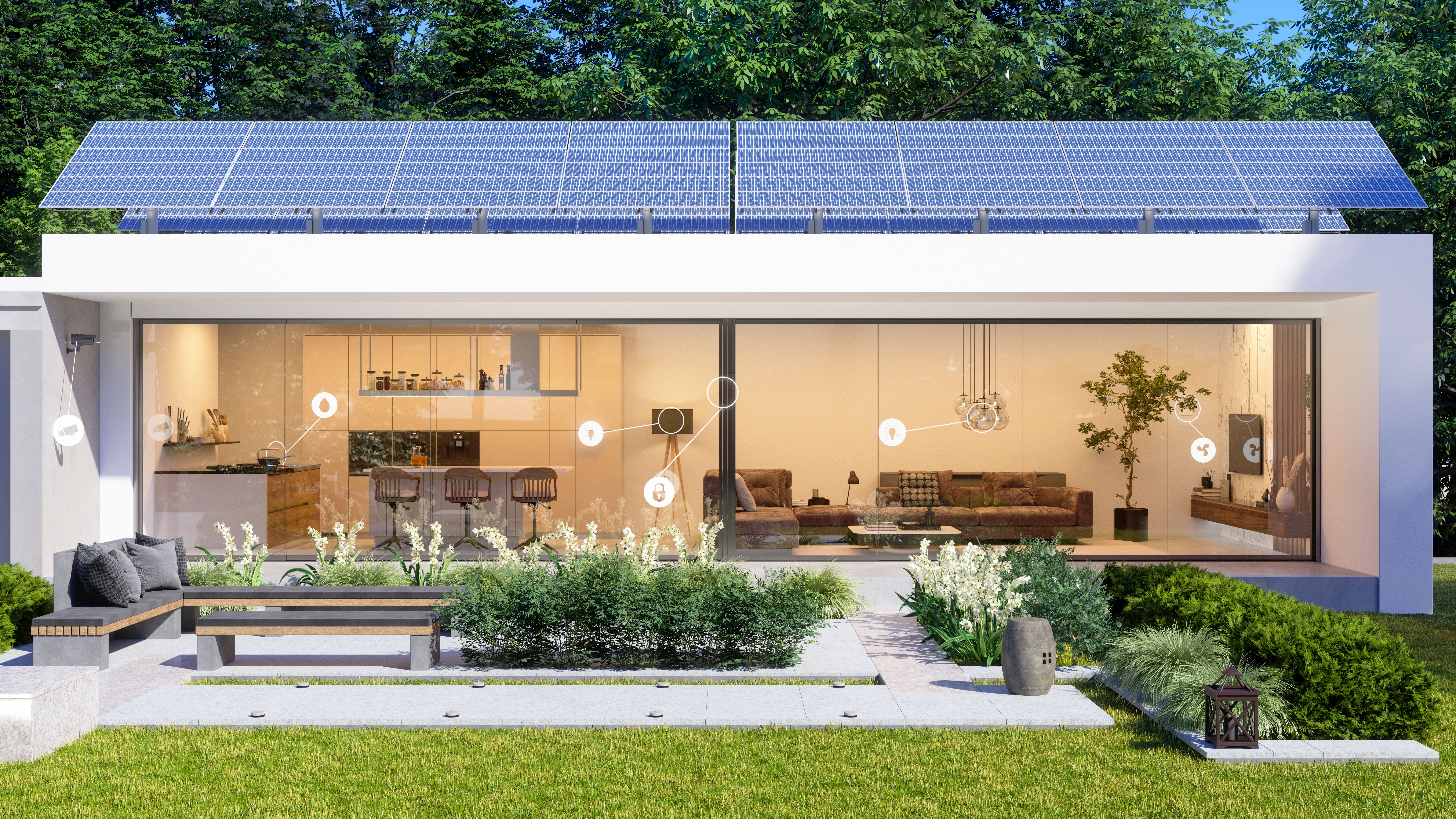
Technology is constantly evolving, and future-proofing your smart home is essential. Opt for devices that receive regular software updates and have a strong track record of supporting new technologies. This will ensure your home remains up-to-date and capable of integrating with future innovations.
Embrace modular systems that allow for easy upgrades and additions. This flexibility will enable your smart home to grow with your needs and technological advancements.
Conclusion
Smart home integration in new builds offers a wealth of benefits, from enhanced convenience to improved energy efficiency and security. By understanding the key components, choosing the right devices, and planning effectively, you can create a smart home that meets your needs today and in the future. As technology continues to advance, embracing smart home solutions will remain a wise investment for any new build.