
Top Trends in Building and Construction Services: What to Expect


Embracing Sustainability in Construction
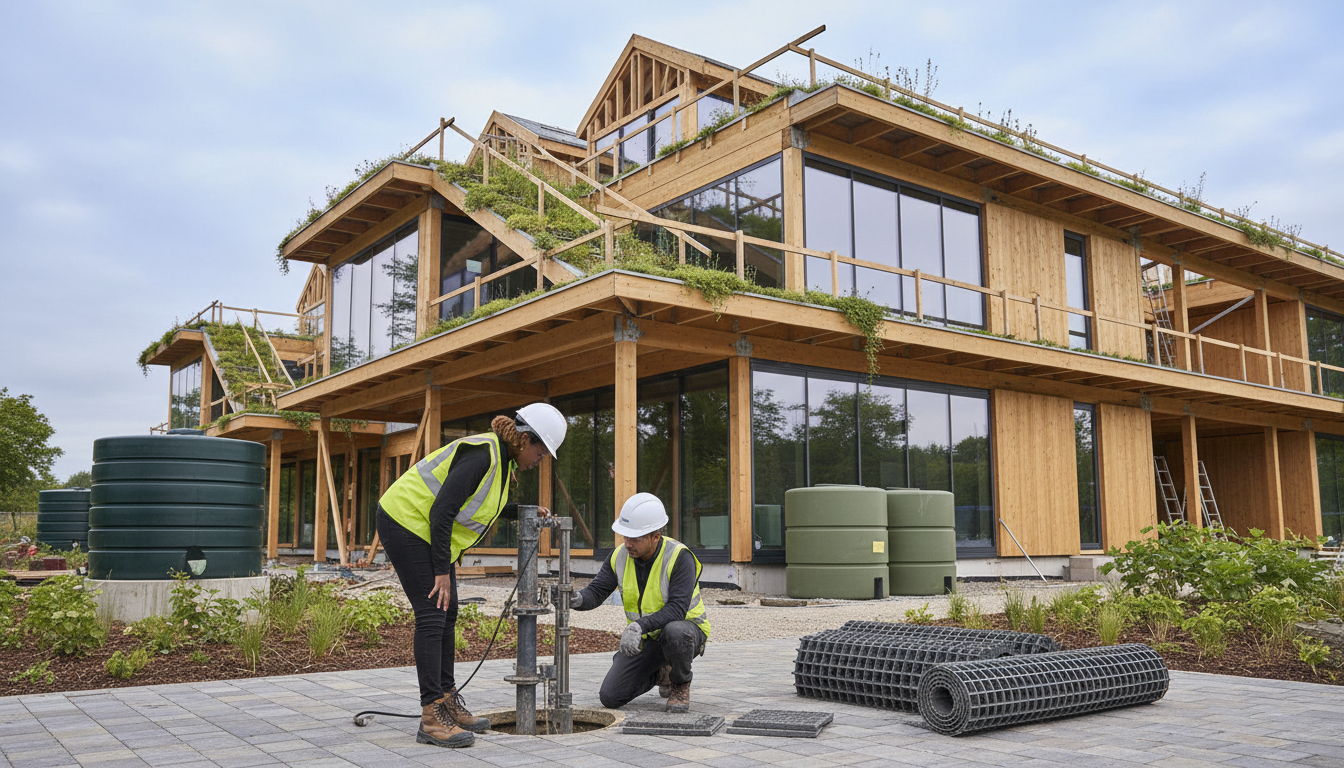
In recent years, the building and construction industry has seen a significant shift towards sustainability. As environmental concerns continue to grow, the demand for eco-friendly building materials and energy-efficient designs has risen. This trend is not just about reducing the carbon footprint but also about improving the overall quality of life for occupants.
Builders are increasingly using materials like recycled steel, bamboo, and reclaimed wood. These materials not only minimize waste but also enhance the aesthetic appeal of buildings. Moreover, incorporating solar panels and green roofs has become more common, contributing to energy savings and environmental sustainability.
Technology Integration in Modern Buildings
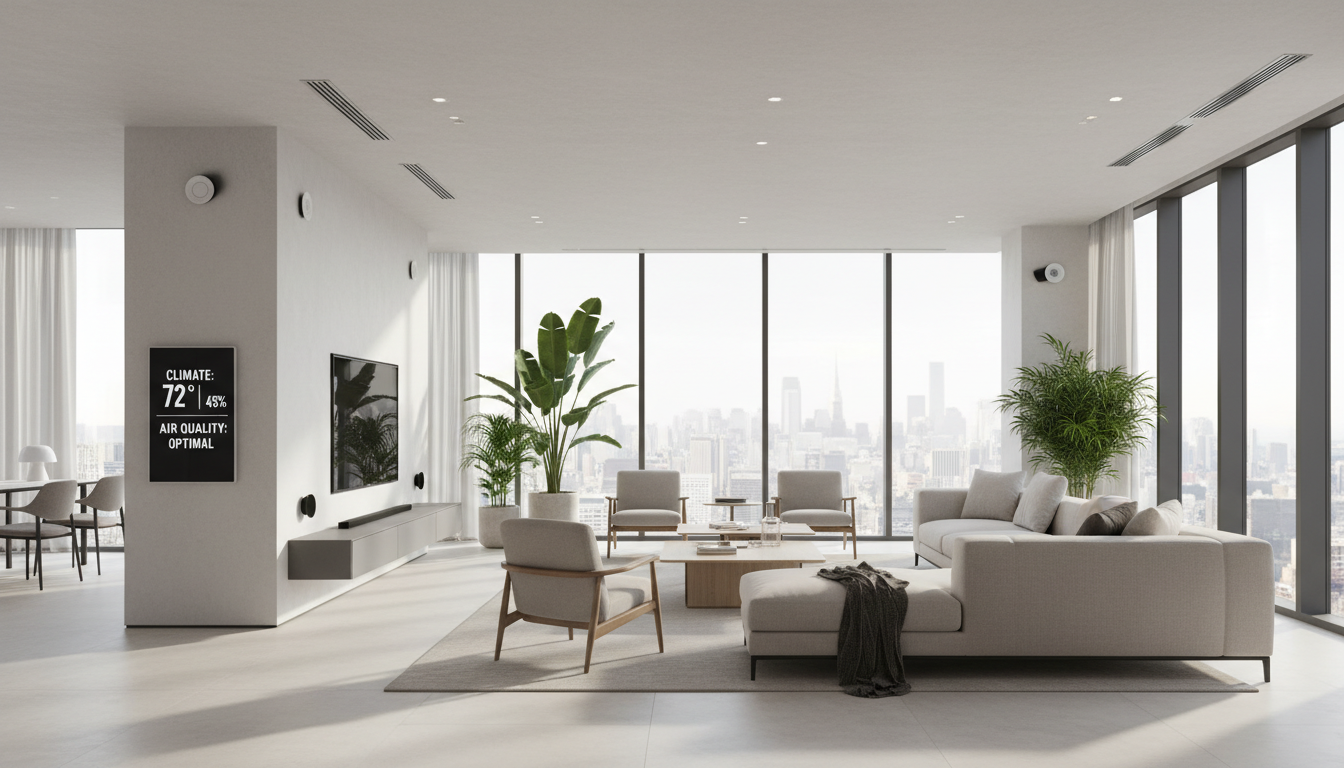
The integration of advanced technology is another trend transforming the construction landscape. Smart buildings equipped with IoT (Internet of Things) devices are becoming the norm. These technologies facilitate real-time monitoring and management of energy consumption, security, and maintenance.
Moreover, Building Information Modeling (BIM) is revolutionizing how projects are planned and executed. It allows architects and engineers to create digital representations of buildings, improving accuracy and efficiency. This trend is leading to reduced costs and enhanced project outcomes.
Prefabrication and Modular Construction
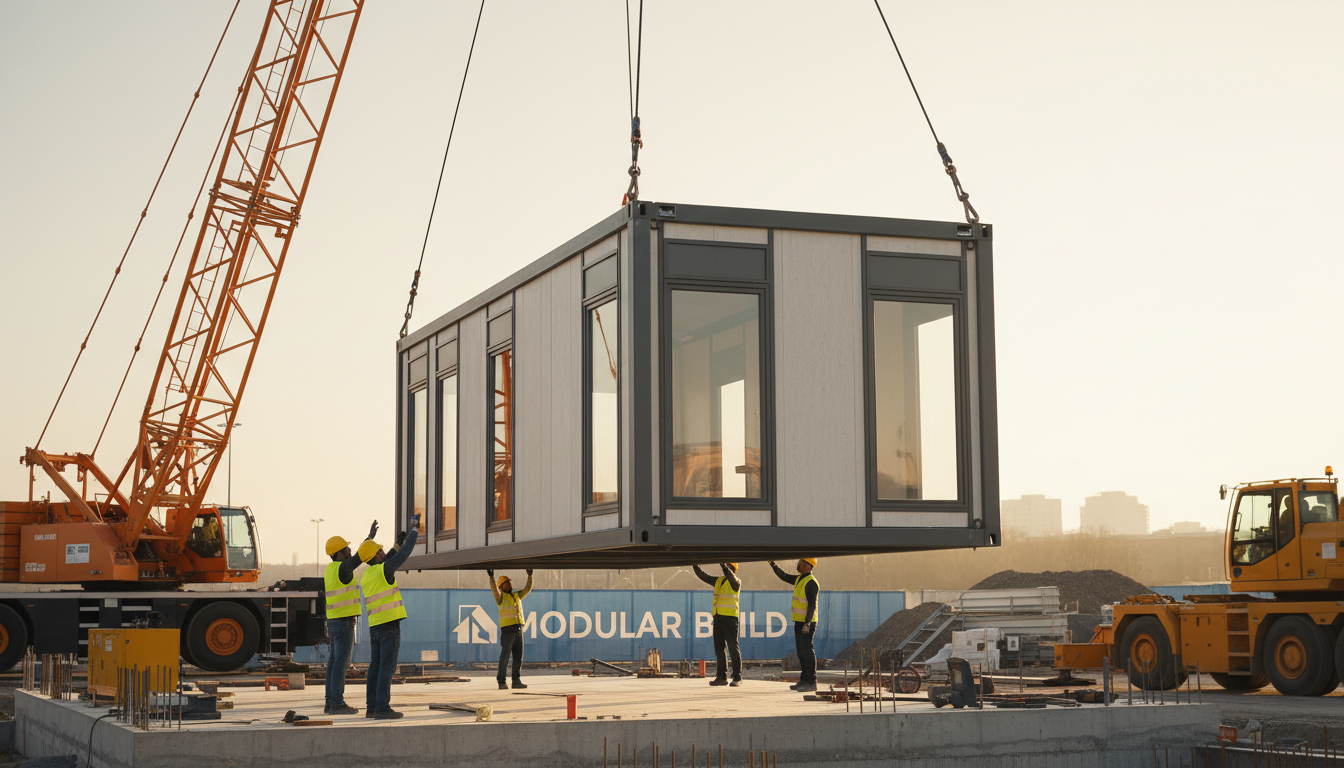
Prefabrication and modular construction are gaining traction for their ability to save time and reduce waste. These methods involve constructing building components off-site and assembling them on-site. This approach not only speeds up the construction process but also ensures higher quality control.
With the increasing demand for affordable housing, modular construction provides a viable solution. It allows for rapid deployment of structures without compromising on quality or safety. The flexibility offered by this trend is reshaping urban development.
Focus on Health and Well-being
As people spend more time indoors, there is a growing emphasis on creating healthy living and working environments. The construction industry is responding by incorporating features that promote well-being, such as improved air quality systems and natural lighting.
Designers are also focusing on biophilic design principles, which integrate natural elements into building interiors. This approach has been shown to reduce stress and enhance productivity, making it an essential trend in modern construction.
Adopting Resilient Construction Techniques
With the increasing frequency of natural disasters, resilient construction techniques are becoming essential. Builders are now focusing on creating structures that can withstand extreme weather conditions. This includes using materials that are resistant to wind, water, and fire, as well as designing buildings that can absorb and dissipate energy from seismic activities.
These advancements not only protect occupants but also reduce economic losses from damaged infrastructure. As climate change continues to pose challenges, resilient construction is expected to become more prevalent.
Conclusion: The Future of Construction
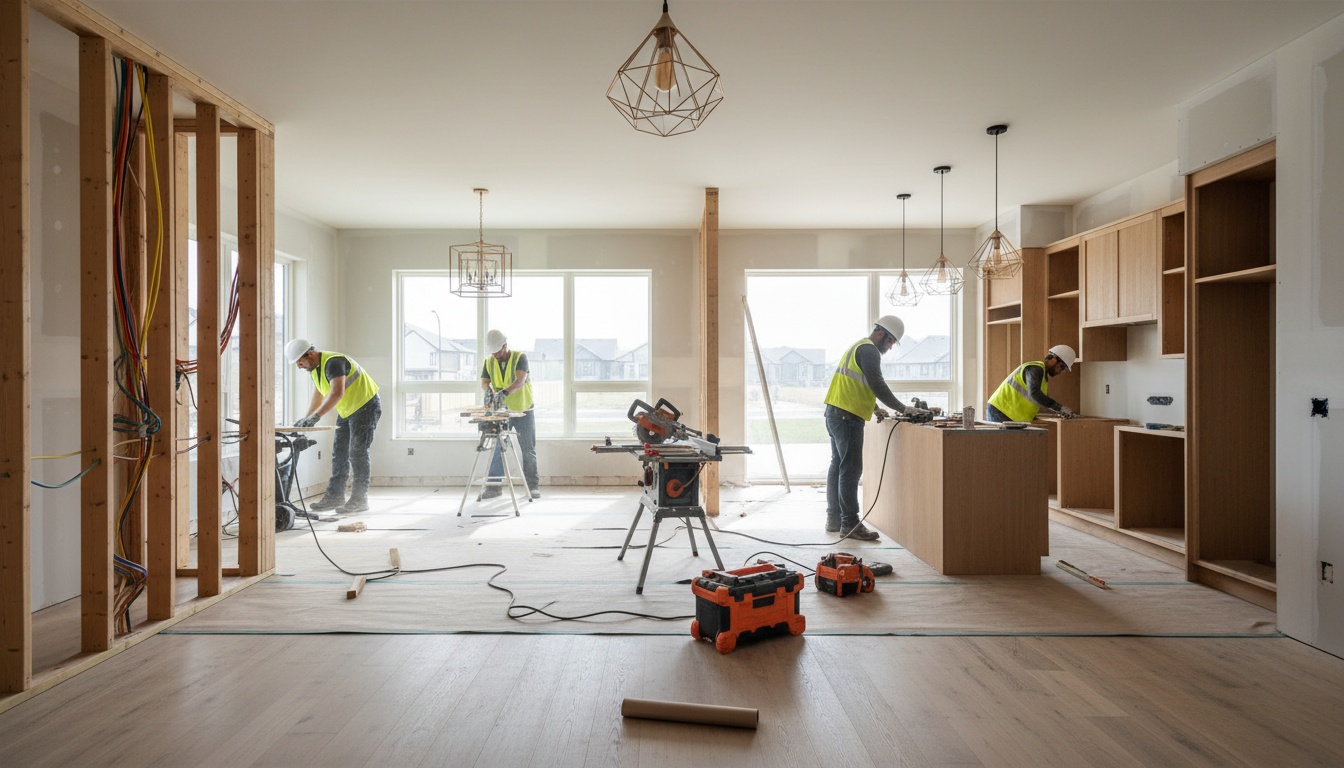
The building and construction industry is undergoing a transformation driven by sustainability, technology, and resilience. These trends are not only shaping the future of construction but also improving the quality and safety of buildings. As the industry continues to evolve, staying informed about these trends will be crucial for builders, architects, and stakeholders alike.
By embracing these changes, the construction sector can meet the demands of modern society while ensuring a sustainable and prosperous future.